English Content
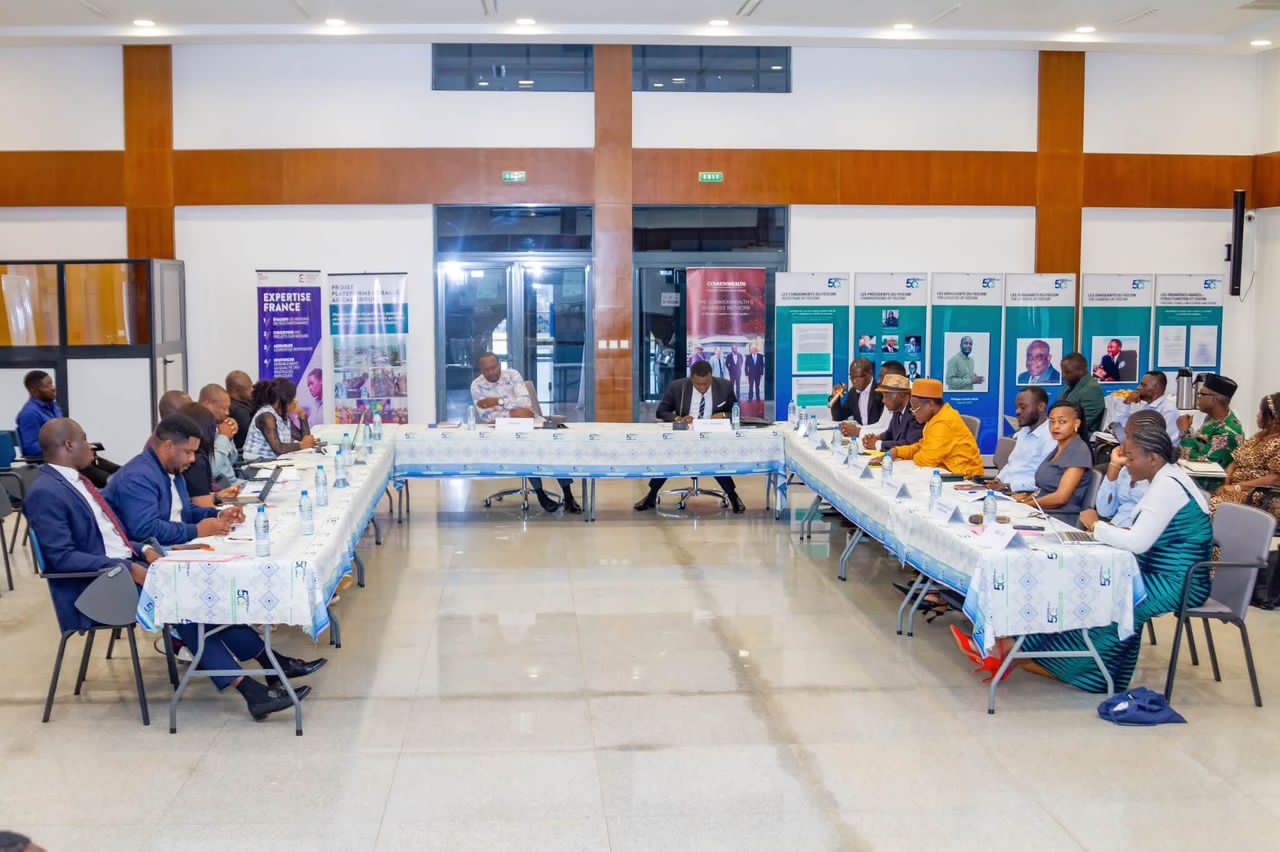
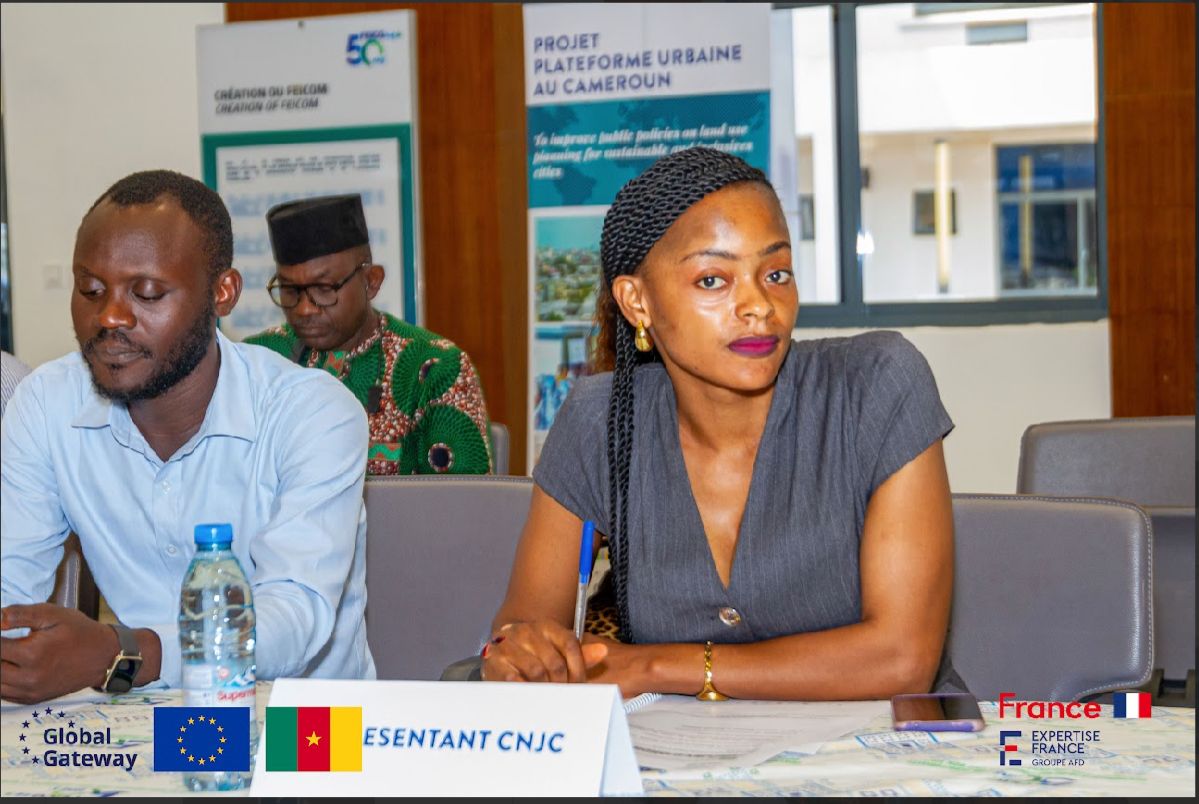
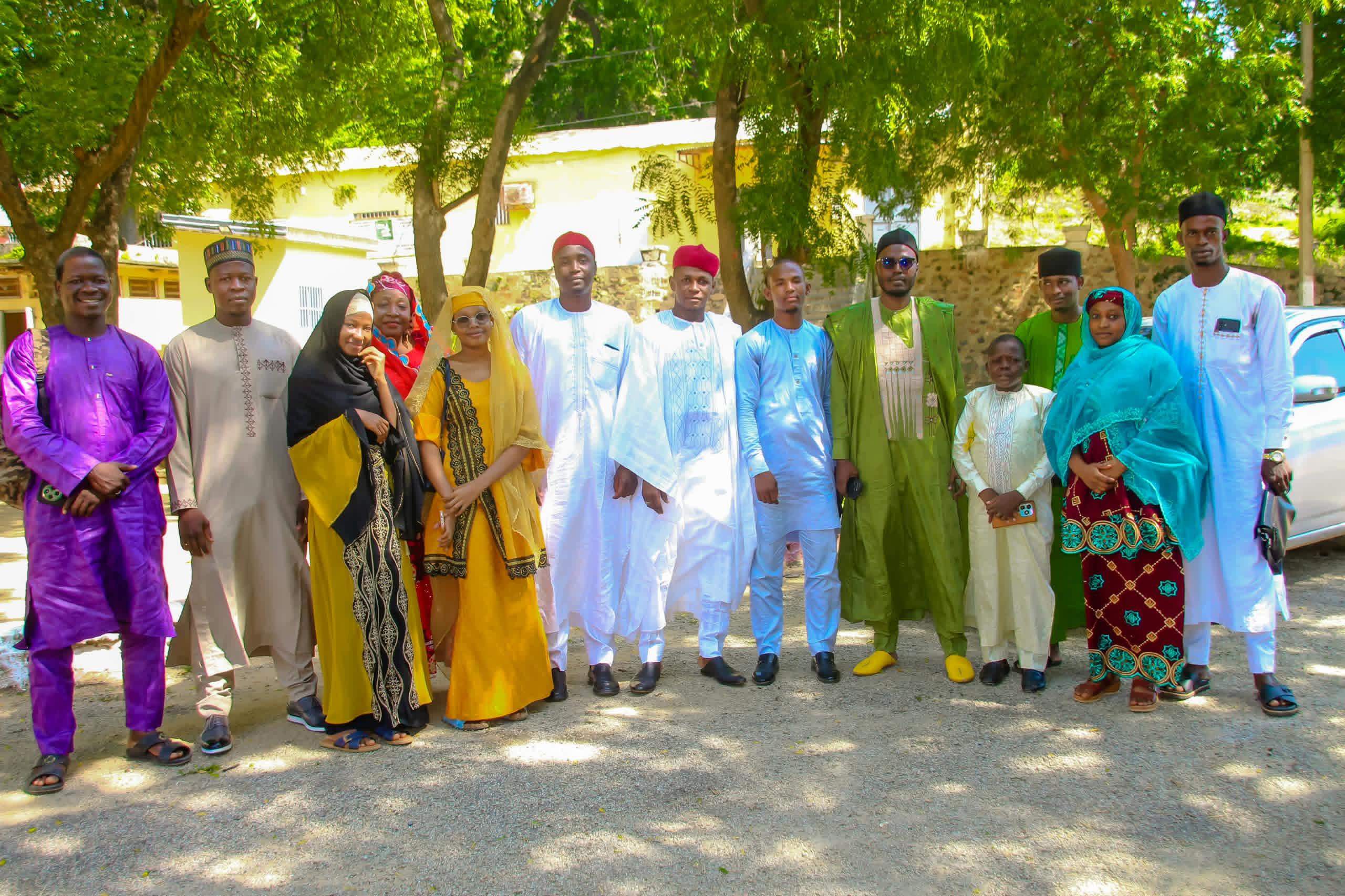
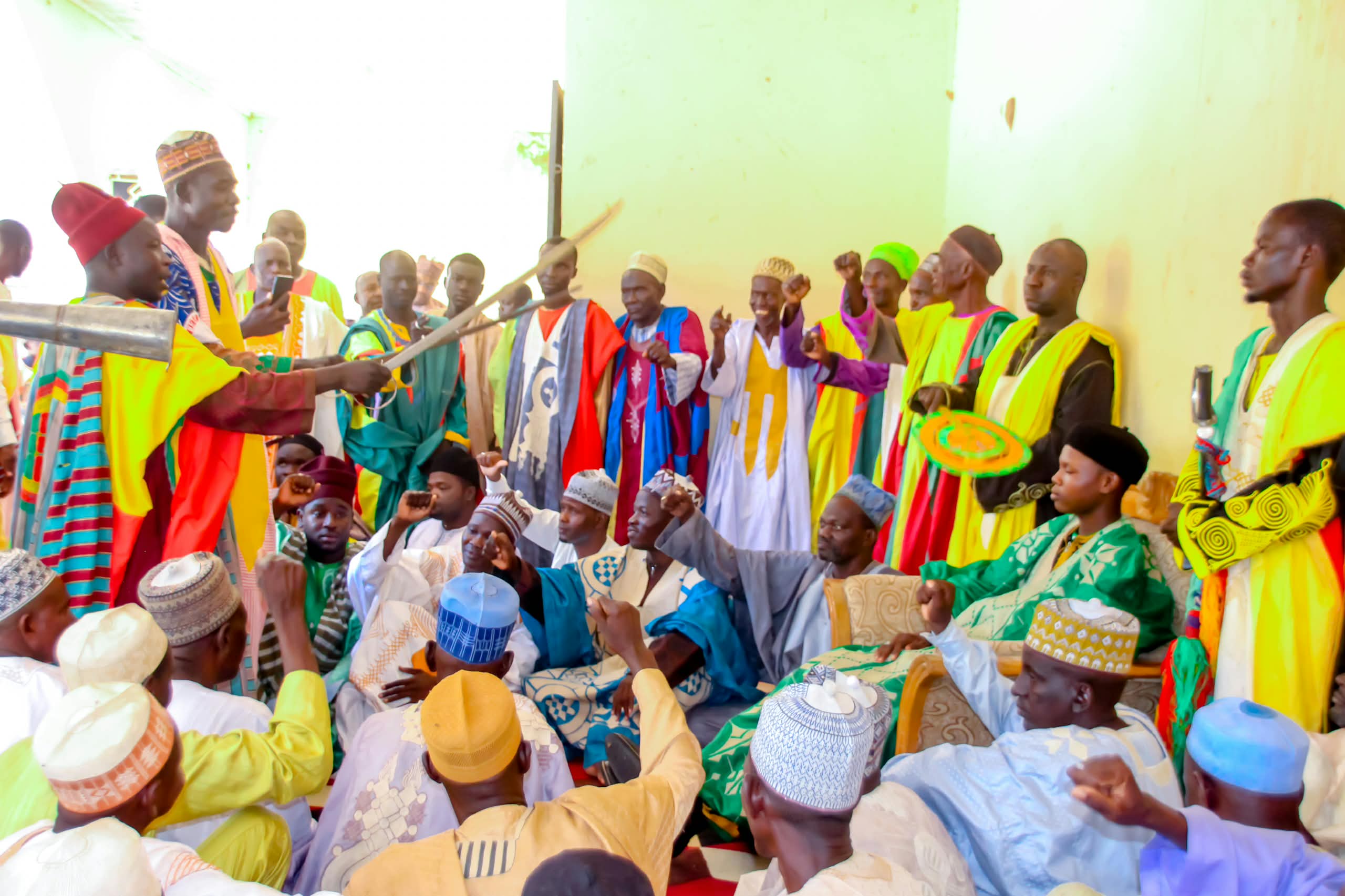
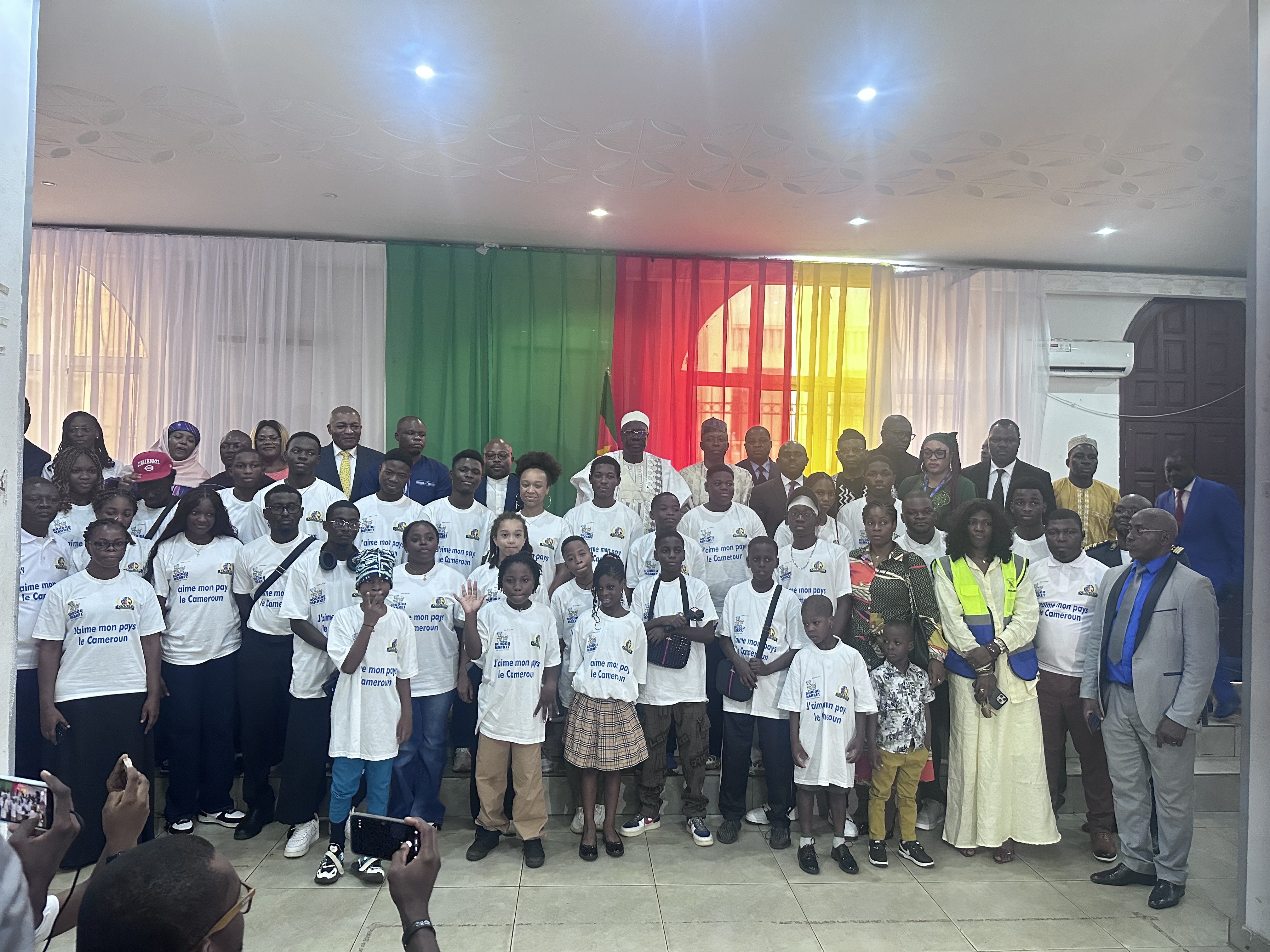
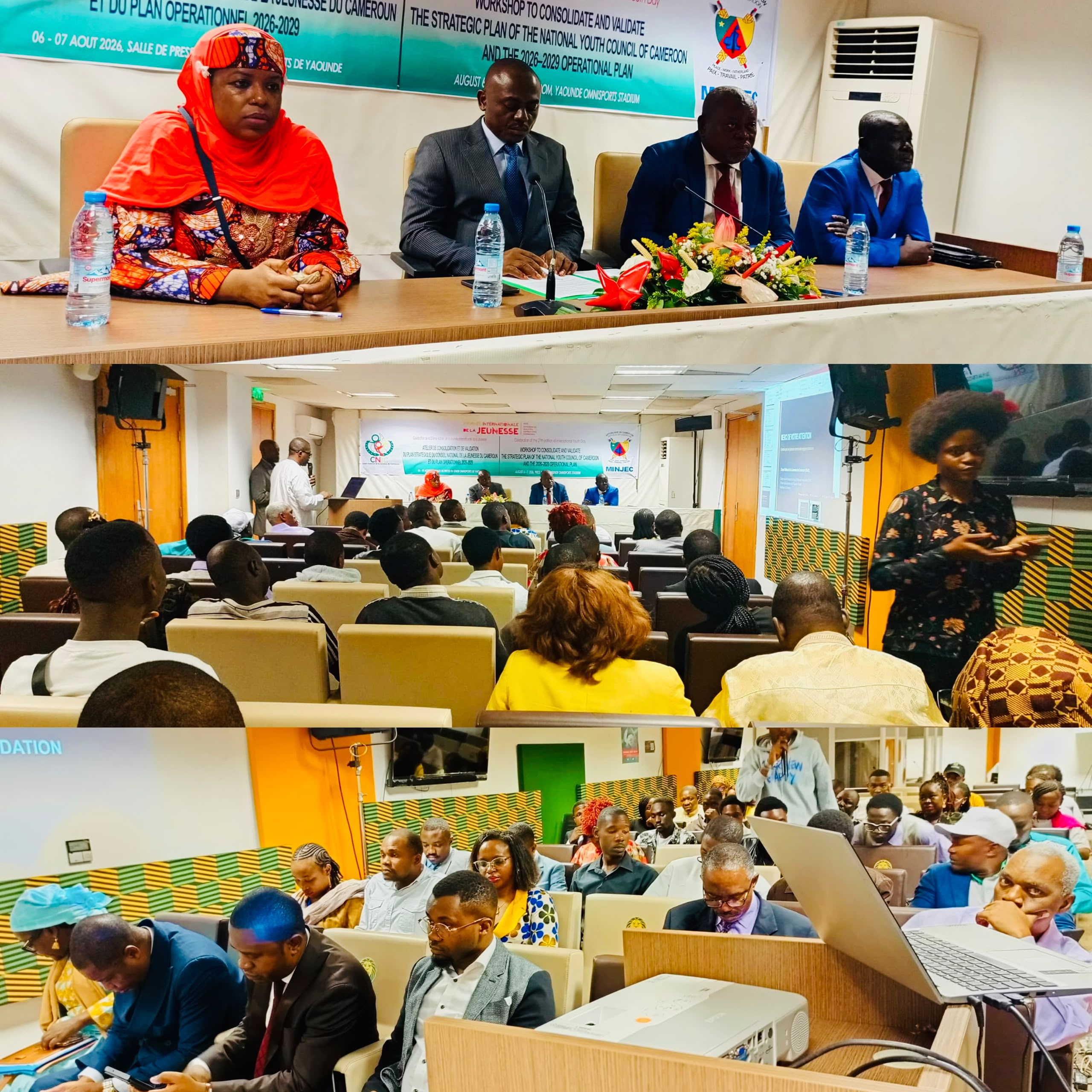
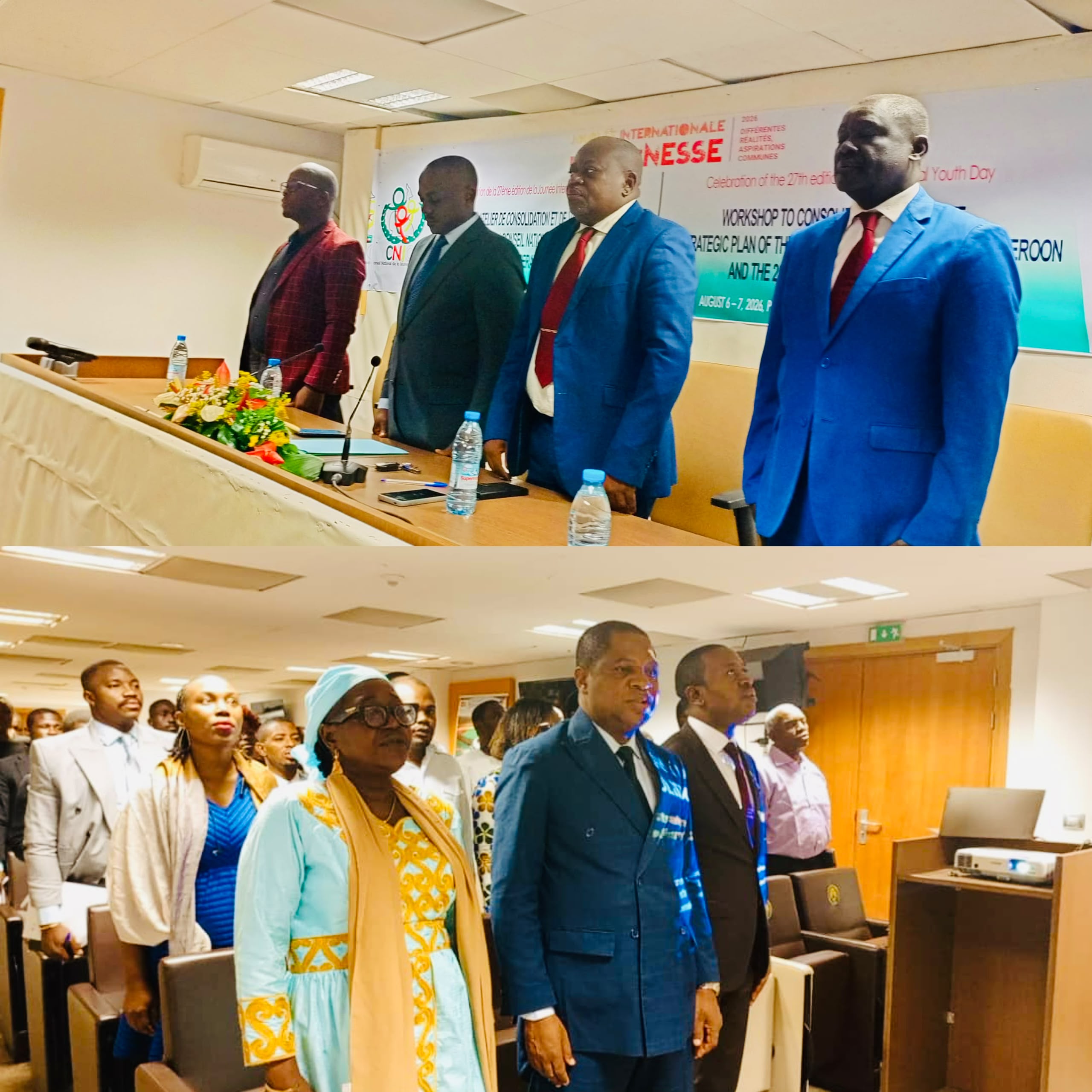
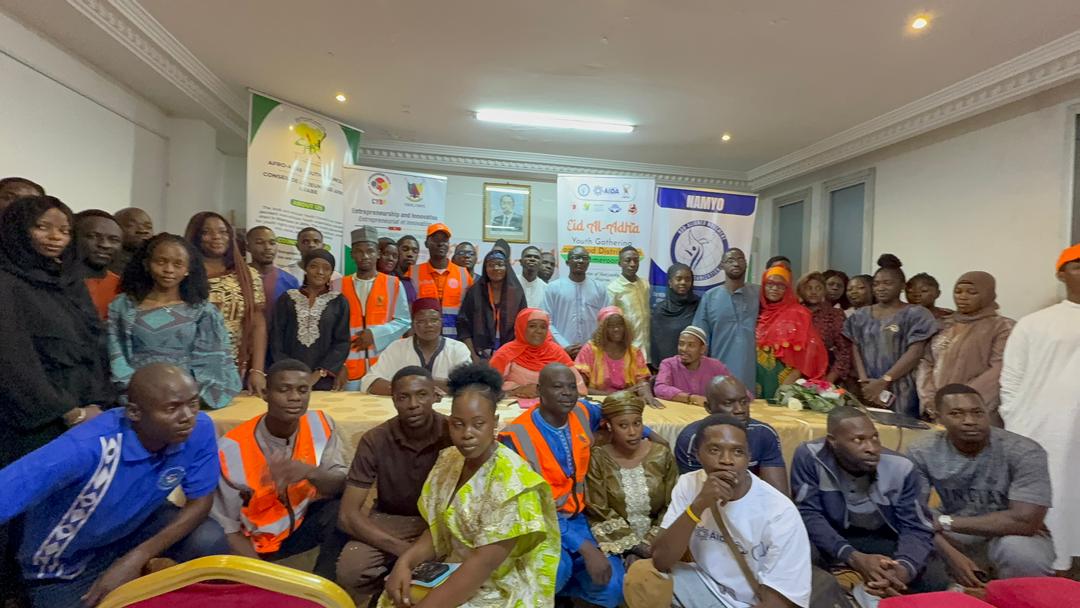
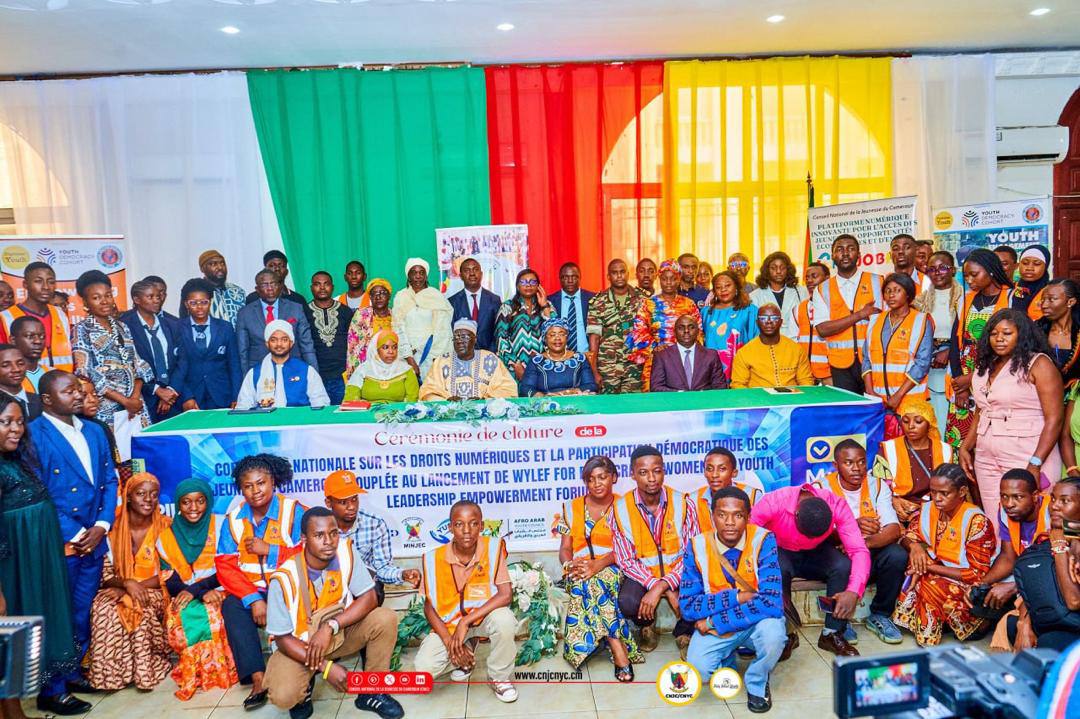
The conference hall of the Musée National de Yaoundé filled steadily from mid-morning on April 6, 2026, with a crowd that was not the usual mix of officials and observers. Young delegates had made long journeys from the Northwest, the Southwest and the Far North. Parliamentary youth representatives, youth councillors and civil society leaders filled the rows alongside cabinet ministers and staff from international organisations. By the time proceedings opened at 11 a.m., it was clear that what the Cameroon National Youth Council (CNYC) had convened was not a ceremonial event. It was a working conference with something real at stake.
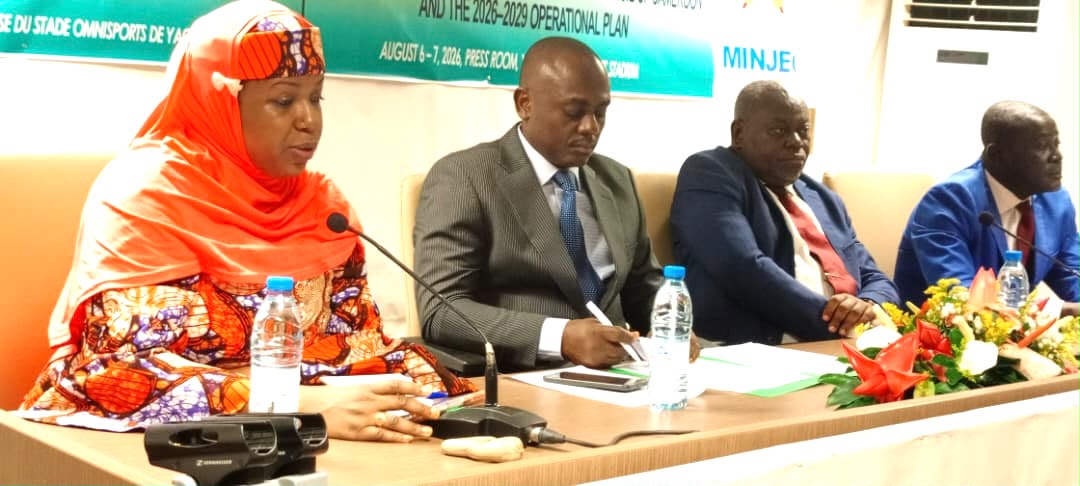
The CNYC, under the national presidency of Fadimatou Iyawa Ousmanou, had organised the National Conference on Digital Rights and Youth Democratic Participation in Cameroon, coupled with the official launch of WYLEF, the Women and Youth Leadership Forum for Democracy, in its sixth cohort. The event brought together a coalition of partner organisations including United Youth Organization (UYO), Civic Watch, HUPED and ARDHU, with financial and technical support from the European Partnership for Democracy (EPD) through its Digital Democracy Initiative. The whole process unfolded under the coordination of the Ministry of Youth and Civic Education, whose minister, Mounouna Foutsou, presided over the closing ceremony.
The conference had a specific mandate. Through a structured advocacy document addressed to the stakeholders of Cameroon's political ecosystem, CNYC aimed to advance the digital rights of young people and deepen their engagement in democratic processes, with the concrete goal of increasing political and civic participation across the country. That mandate had driven months of preparatory work before anyone set foot in Yaoundé.
A Process Rooted in the Regions
The conference did not begin on April 6. It began in communities. Melvin Songwe, the project's National Coordinator and National Vice President of CNYC, opened proceedings with a comprehensive account of the journey that led to this day. His presentation traced the arc of the WYLEF4Democracy project from its design phase through to the fieldwork that gave it substance.
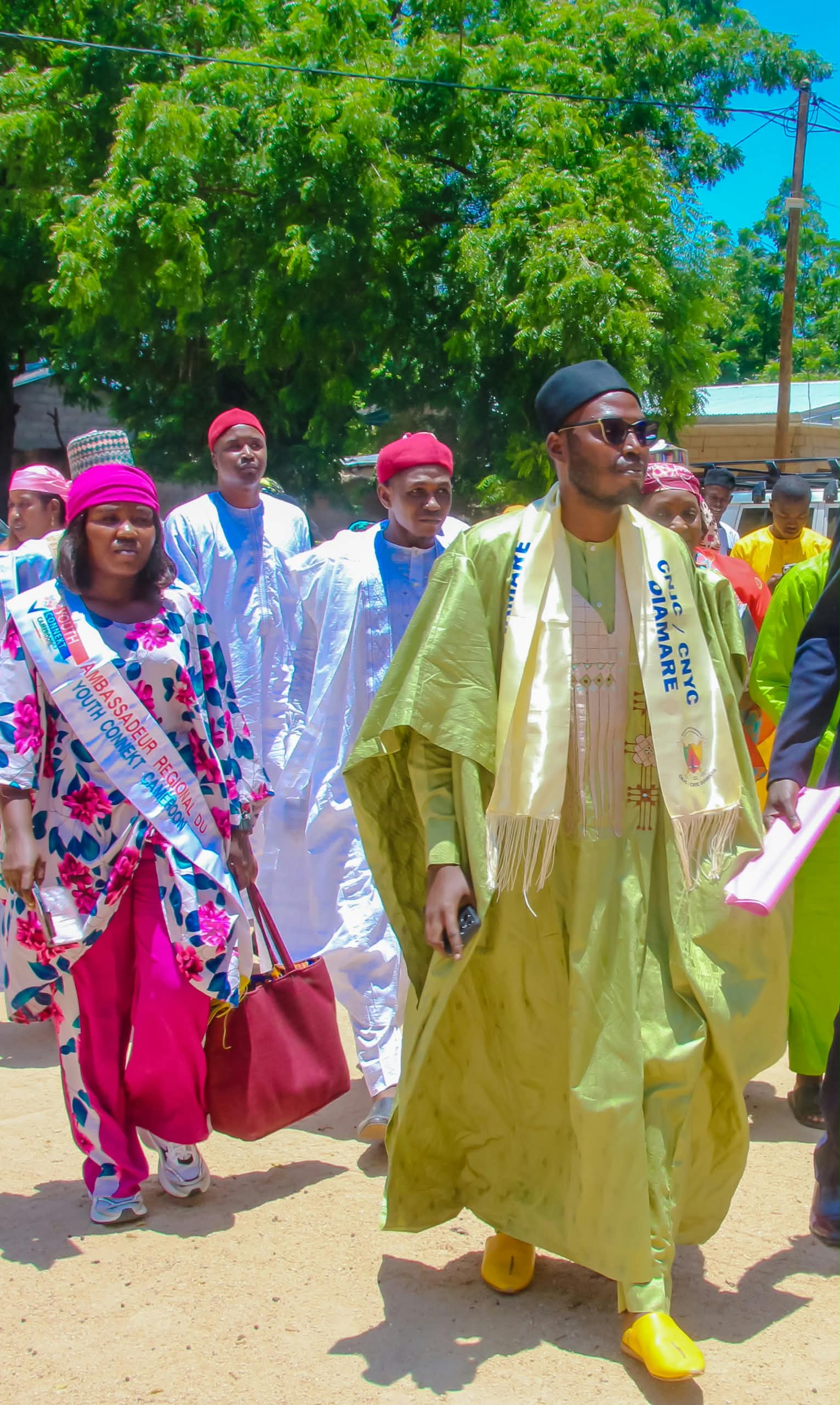
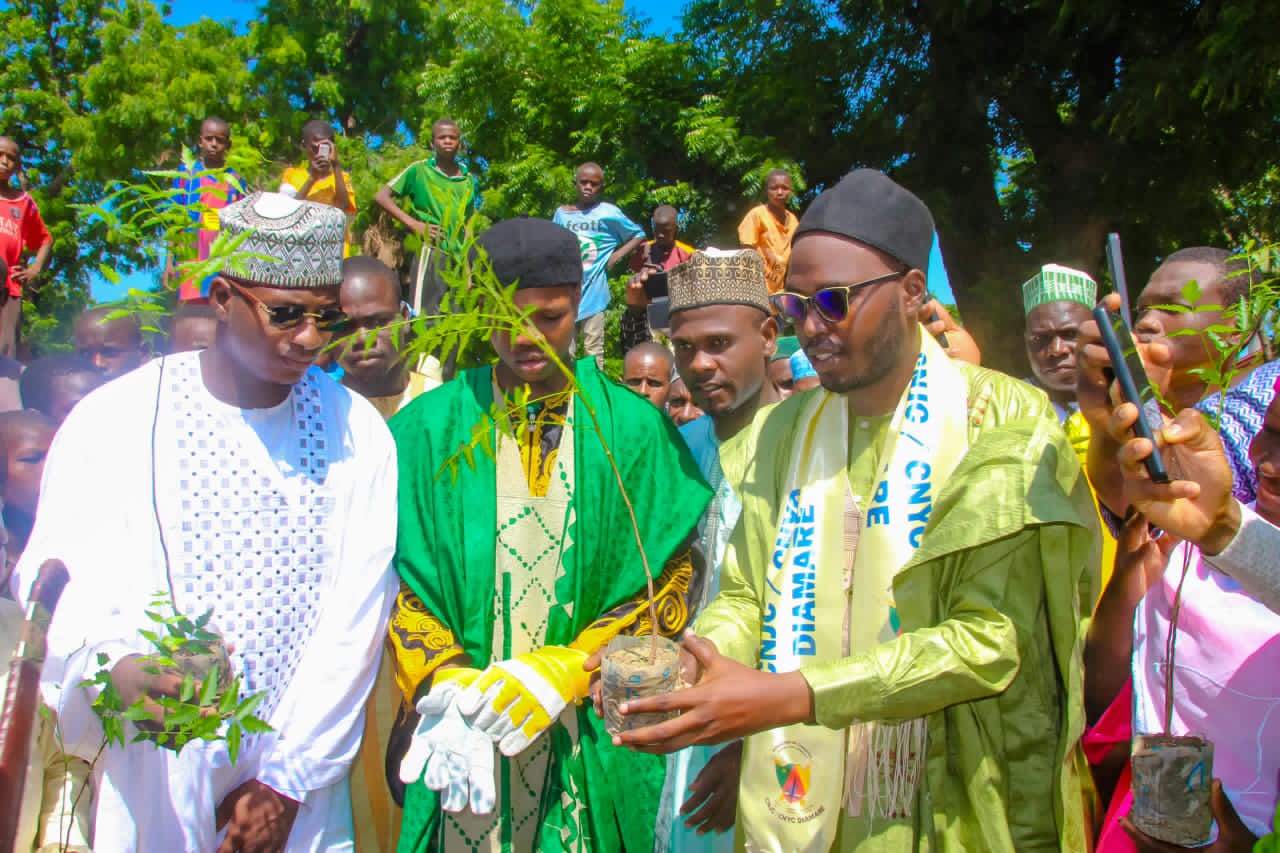
Regional advocacy dialogues had been conducted in three regions that carry particular weight in any honest conversation about democratic participation in Cameroon: the Northwest, the Southwest and the Far North. These are not regions where civic life unfolds under normal conditions. The Northwest and Southwest continue to be affected by a security and humanitarian crisis that has disrupted schools, displaced communities and strained the relationship between citizens and institutions. The Far North faces its own pressures, including poverty, limited infrastructure and the legacy of insecurity along its borders. Conducting meaningful advocacy dialogues in these contexts required not just logistical planning but trust, sensitivity and genuine commitment from the teams on the ground.
What those consultations produced was a picture of youth democratic participation as it actually exists in Cameroon, not as it is described in policy documents. Participants identified access to digital tools as an immediate barrier. In many communities, smartphones and internet connectivity remain out of reach for large sections of the youth population, making digital civic participation a privilege rather than a right. Beyond access, young people pointed to the spread of hate speech and disinformation online, phenomena that distort public debate and expose youth to manipulation without any adequate legal or institutional response. Across all regions, participants flagged the inadequacy of civic and digital education in school curricula, noting that many young people reach adulthood without a working understanding of their rights, their institutions or the tools available to hold power to account.
Dr. Kinang Derick of HUPED took the consultations further, applying a rigorous analytical methodology to transform the community inputs into a structured advocacy document. This document went beyond listing problems. It presented specific, actionable recommendations on improving the legal framework for digital rights, expanding equitable internet access to underserved areas, and integrating digital civic education into both formal schooling and non-formal youth programmes. It was this document that was formally presented at the national conference and handed to government authorities.
WYLEF Cohort 6: Building the Leaders the Moment Requires
The second major event of the day was the official launch of WYLEF Cohort 6. The Women and Youth Leadership Forum for Democracy has now produced six successive cohorts of trained young leaders, and its launch has become one of the most anticipated moments in the CNYC annual calendar.
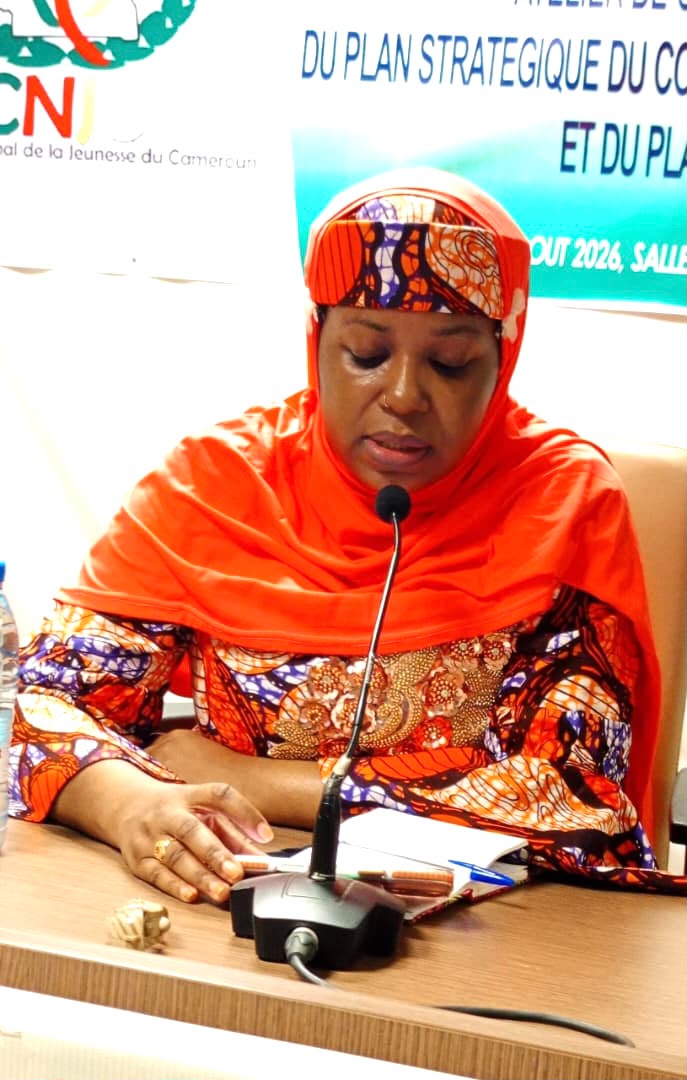
Fadimatou Iyawa Ousmanou, in her address, explained what WYLEF is designed to do and why it continues to matter. The forum is not a passive training programme that issues certificates and sends participants home. It is a sustained platform for formation, advocacy practice and leadership development, built on the recognition that young people and women in particular face structural barriers to meaningful participation in democratic governance that cannot be addressed through good intentions alone.
The emphasis on women's leadership within WYLEF is not a rhetorical gesture. It reflects a documented reality: young women in Cameroon face layered obstacles to political participation, from social norms that discourage their public voice to institutional cultures that do not make space for their leadership. WYLEF addresses this by creating structured opportunities, mentorship networks and advocacy skills training that give young women the practical tools to engage in governance at every level, from local councils to national policy processes. Cohort 6 adds a new group of leaders to a network that has been growing since the forum's founding, and each cohort deepens the collective capacity of young Cameroonians to shape the policies that affect them.
Partner Voices That Placed the Work in a Wider Frame
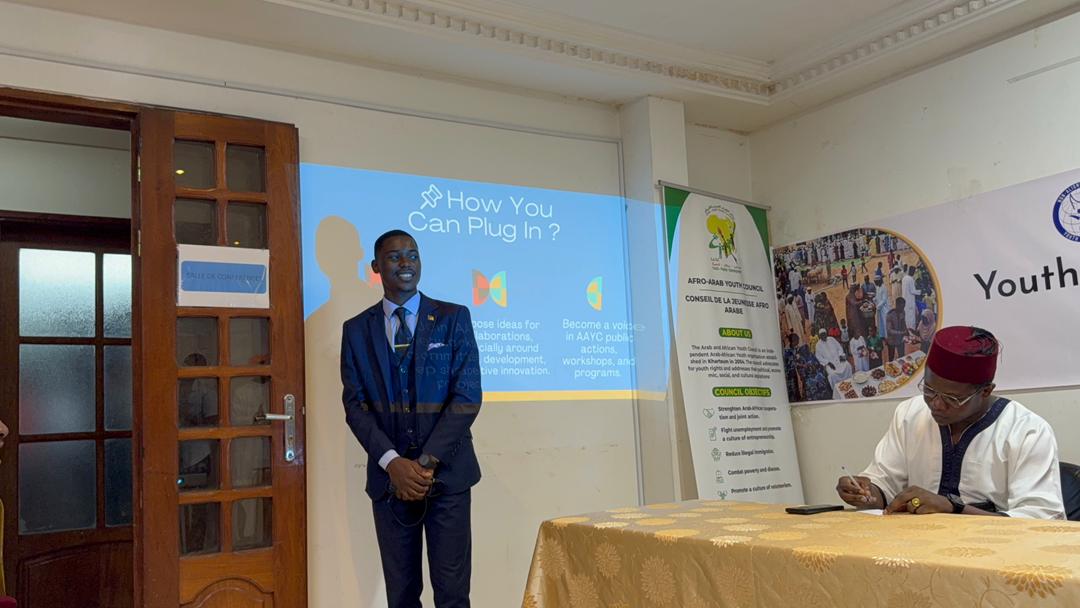
The conference drew participation from partners whose presence underlined the regional and international dimensions of what CNYC is doing. Huzyfa Alhassan, Secretary General of the Afro Arab Youth Council (AAYC), delivered remarks that situated the Yaoundé conference within a broader continental effort to consolidate youth leadership networks and advance democratic governance across Africa and the Arab world. He welcomed the engagement of both government and civil society in Cameroon as an example worth attention and called on the young people present to carry what they had learned in Yaoundé back into their communities, their organisations and their digital spaces. His message was consistent: technology is a tool, and its value depends entirely on whether those who use it do so with purpose, responsibility and a commitment to genuine dialogue.
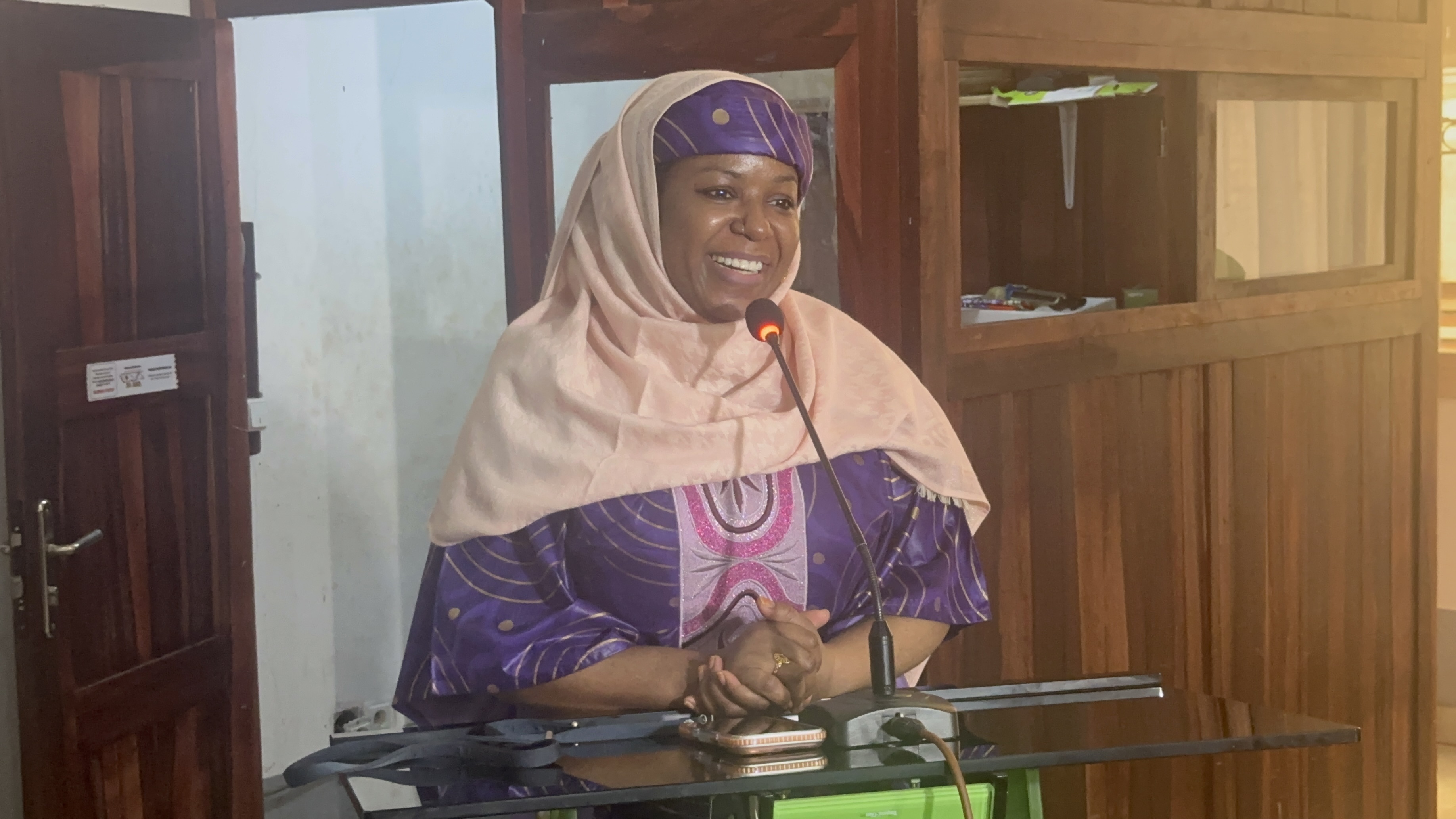
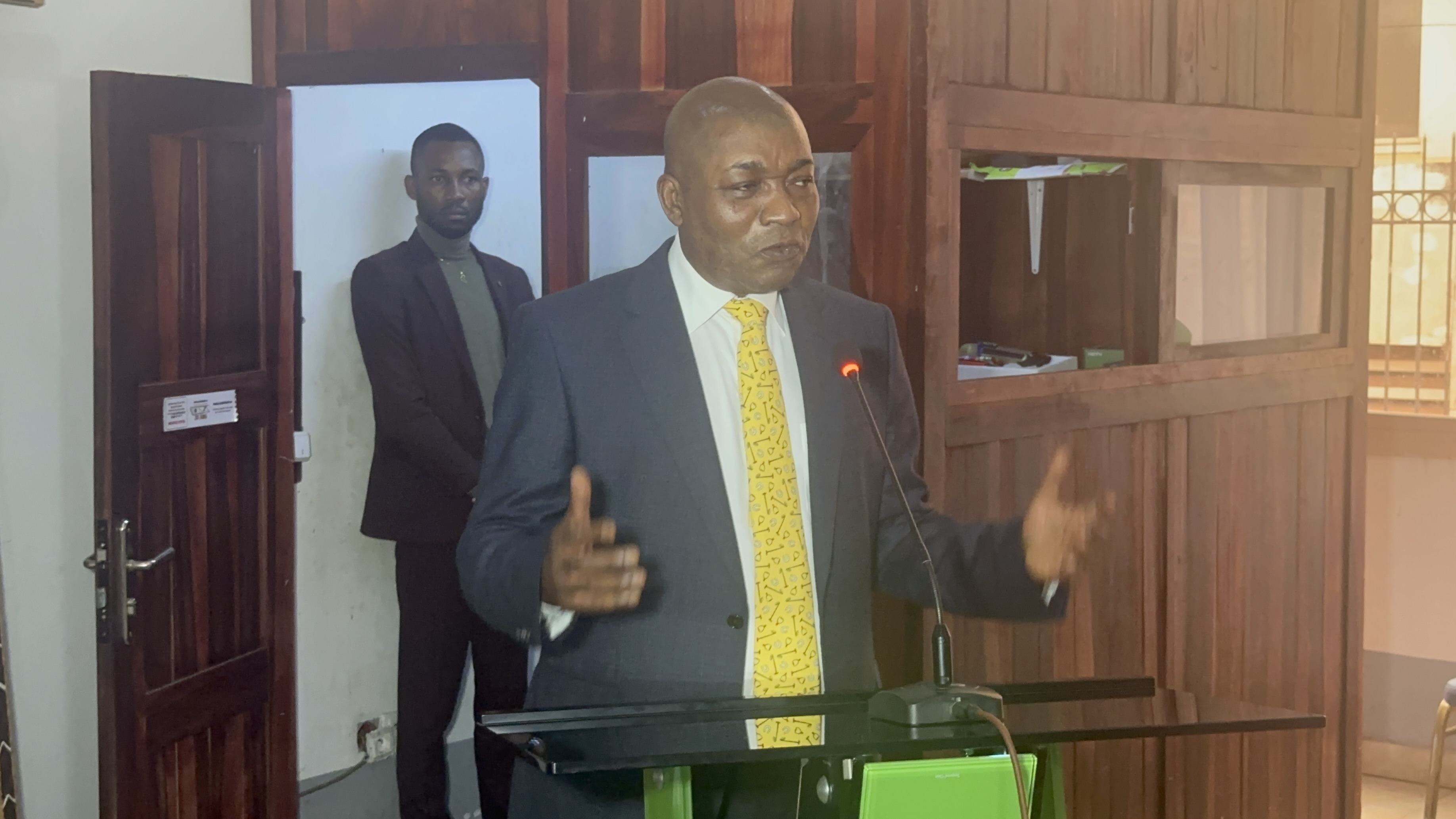
Minister of Posts and Telecommunications Minette Libom Li Likeng addressed the conference from the perspective of her portfolio, but her remarks reached well beyond infrastructure. She spoke at length about cybersecurity as a democratic issue, pointing out that a young person who is afraid to express an opinion online because of harassment or surveillance is not a fully participating citizen, regardless of whether they have internet access. She addressed electoral education, calling for deeper investment in programmes that help young Cameroonians understand how elections work, why their vote matters and how to recognise and resist manipulation. She called for more serious attention to digital inclusion, arguing that the gap between connected urban youth and disconnected rural youth is not just a technology problem but a democratic deficit that the country cannot afford to ignore. Across all these issues, her message to those in the room was clear: young people should not simply be the subjects of digital policy. They should be among its authors.
A Floor That Had Something to Say
The question and answer session turned out to be one of the most substantive exchanges of the entire day. Once the floor was opened, it became evident that the delegates in the room had not come merely to listen. Young people from the Northwest and Southwest asked direct questions about how the advocacy document would be followed up and whether the recommendations would be tracked once they left government hands. Civil society representatives raised concerns about the pace of legal reform on digital rights and asked what mechanisms existed to hold institutions accountable. Youth parliamentarians probed the panellists on specific policy commitments. International partners were asked how they intend to sustain engagement beyond the life cycle of individual projects.
The exchanges were frank, and that frankness was one of the most valuable things the day produced. It demonstrated that Cameroon's young people have developed a political literacy that demands to be taken seriously, and that the country's institutions need to create more regular, structured spaces for this kind of direct exchange if they are serious about increasing youth civic participation.
The Closing Ceremony and the Government's Word
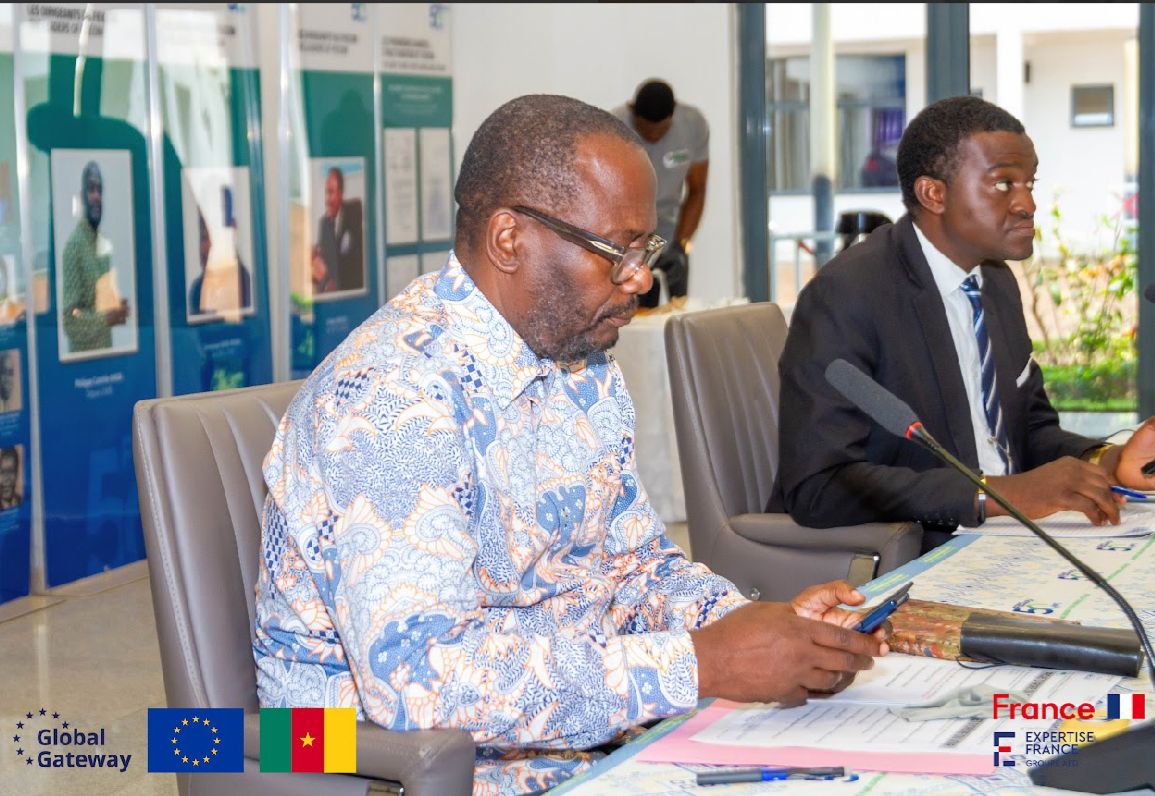
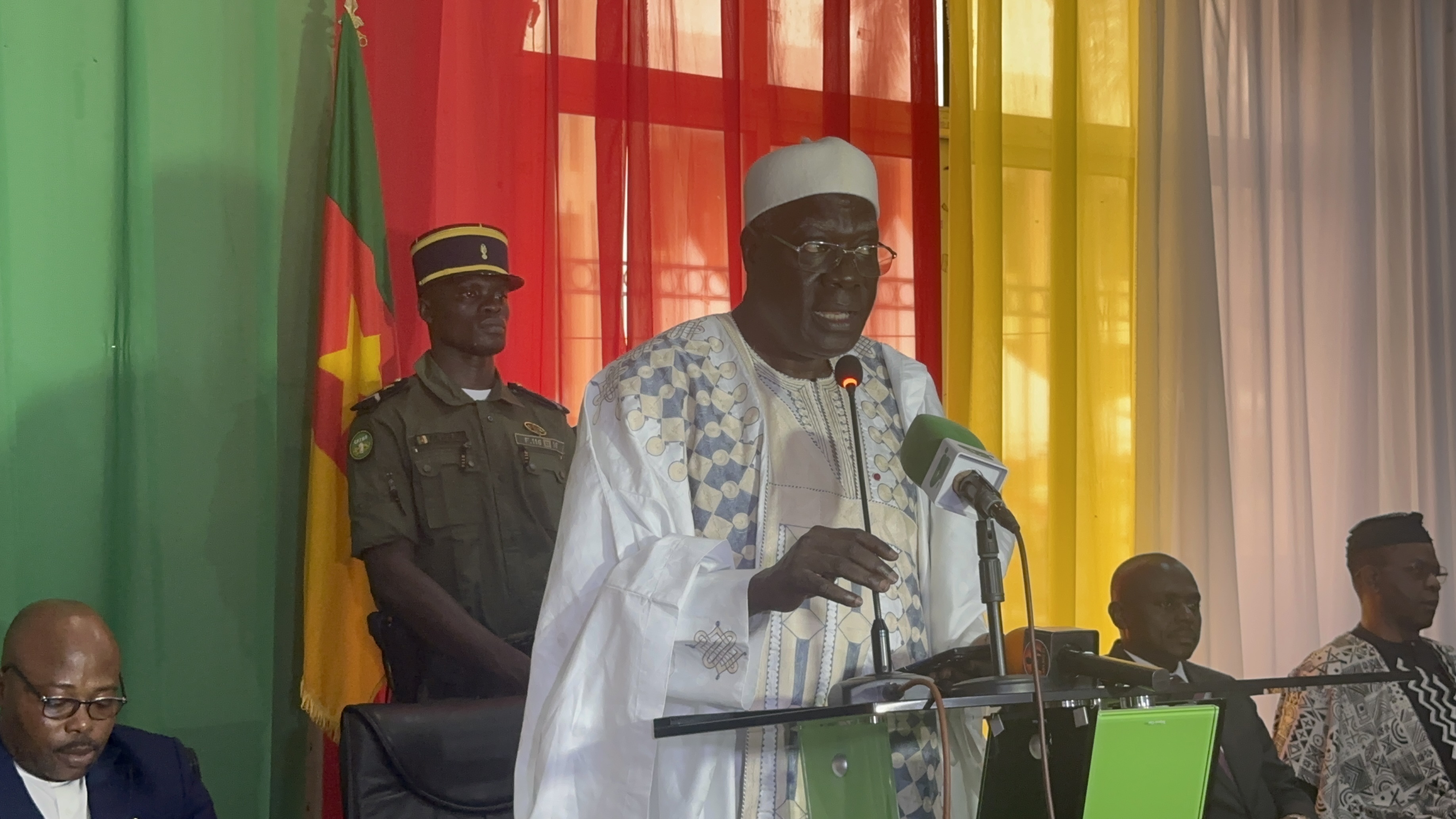
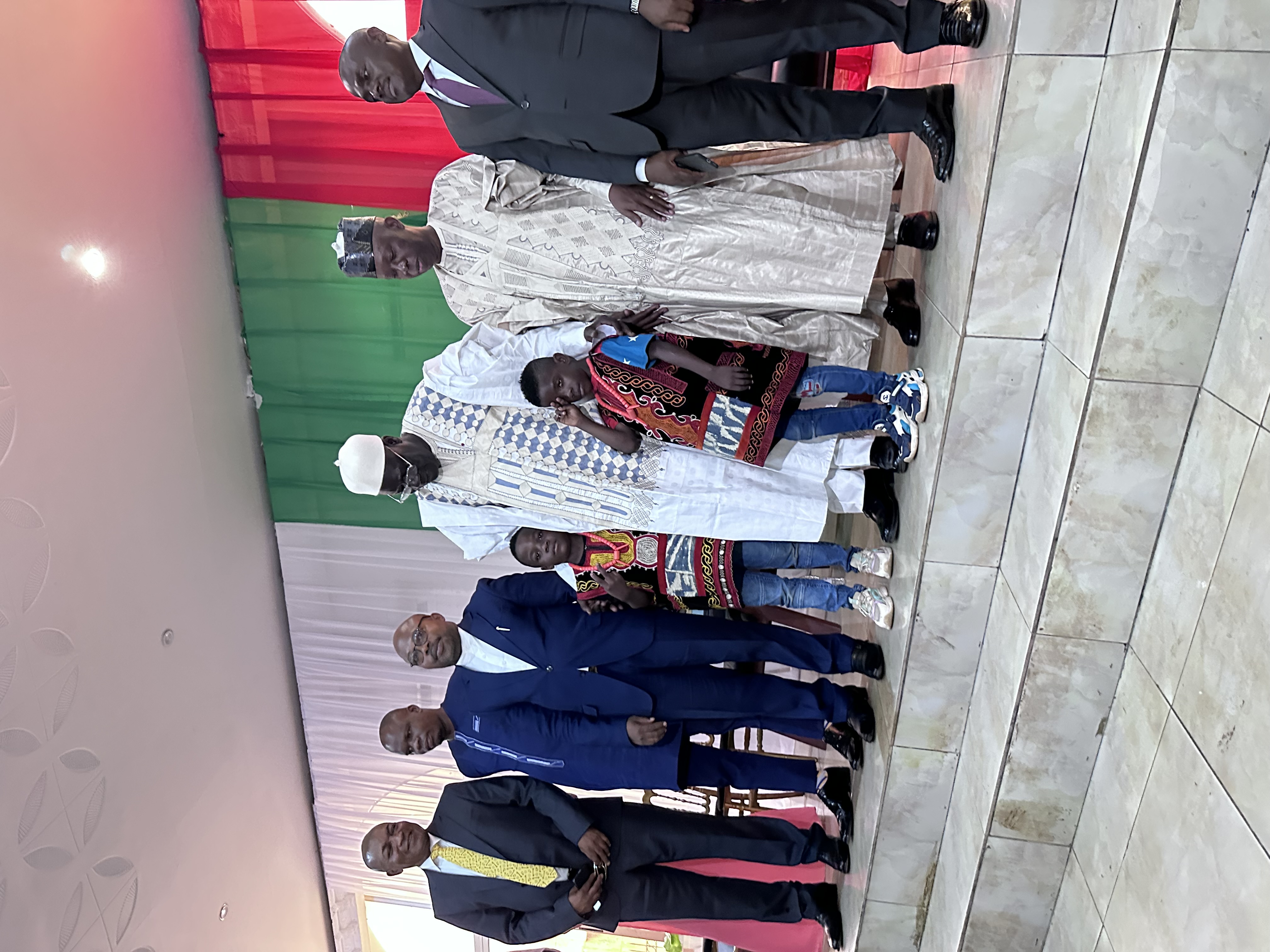
Minister of Youth and Civic Education Mounouna Foutsou presided over the closing ceremony and delivered remarks that gave the day its institutional conclusion. He opened with an acknowledgement of the teams who had conducted the regional dialogues, noting explicitly that working in the Northwest and Southwest under current conditions is not a neutral act. It requires dedication and a willingness to go where the work is needed most, regardless of difficulty. He thanked UYO for their sustained partnership with CNYC and extended particular appreciation to the European Partnership for Democracy and its Digital Democracy Initiative for backing a project that, in his words, meets Cameroon's young people where they actually are.
He then addressed the delegates who had travelled from across the country to attend. He welcomed them by region, acknowledged the distances some had covered and made clear that their presence was not a courtesy to the organisers but a contribution to the work itself. A national conference on youth democratic participation that does not have young people from every region of the country in the room is not doing what it says. April 6 did.
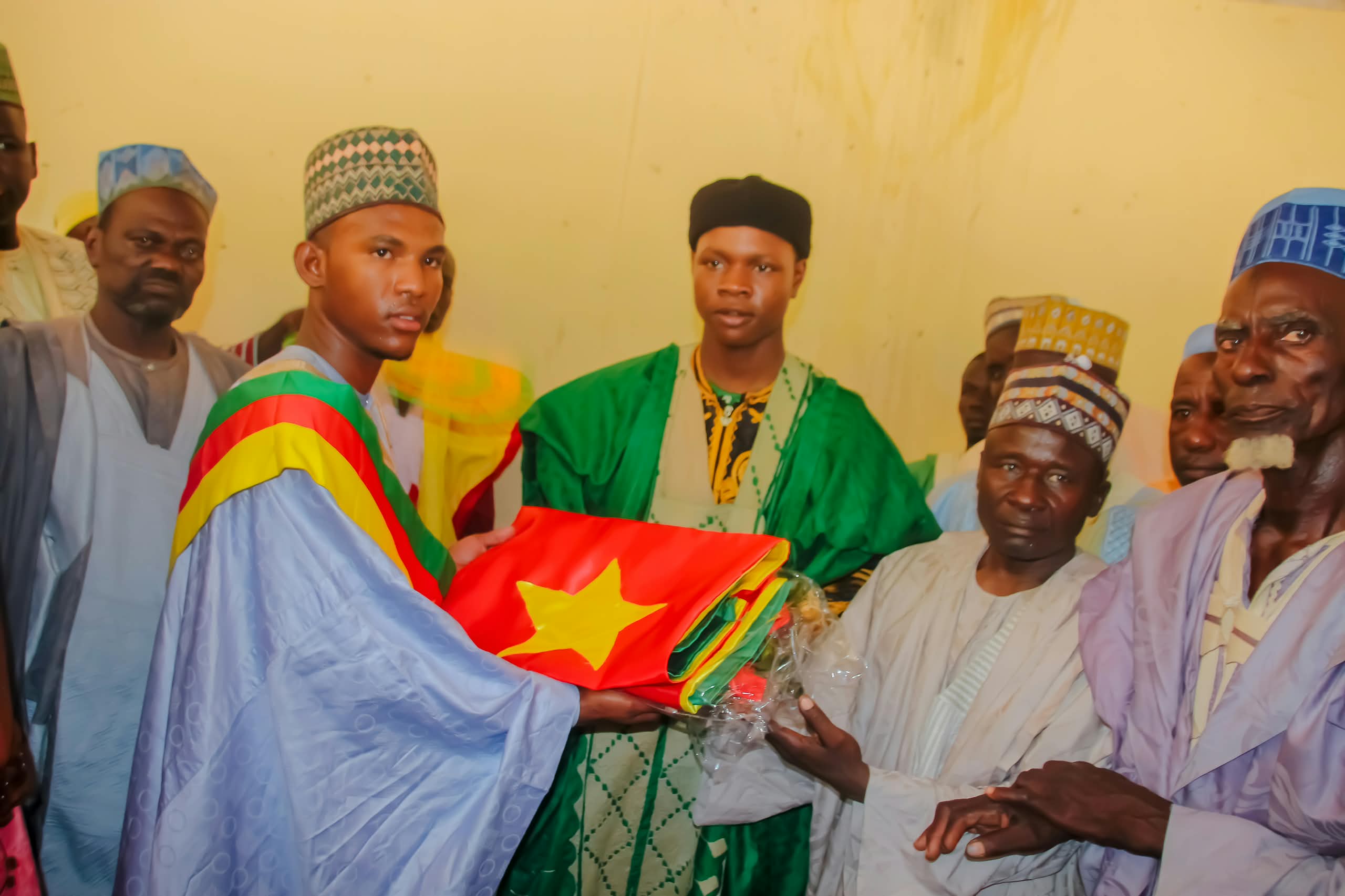
The minister closed by reaffirming the government's commitment to accompanying initiatives that give young Cameroonians a genuine stake in democratic life. He received the advocacy document with a formality that acknowledged its seriousness and expressed confidence that the recommendations it contains would find their way into the policy conversations that matter. That confidence will be tested by what follows.
What the Day Left Behind
The advocacy document is now in government hands. WYLEF Cohort 6 has been officially launched and its members have begun a process that will carry them through months of training and practical engagement. The regional dialogues that fed into this conference have produced a body of testimony and analysis that represents some of the most honest public documentation of youth democratic experience in Cameroon in recent years.
The recommendations cover three broad areas. The first is the legal framework for digital rights: Cameroon's existing legislation has not kept pace with the realities of online civic life, and young people need legal protections that match the spaces where they now organise, speak and participate. The second is equitable internet access: the recommendations call for concrete measures to reduce the connectivity gap between urban centres and rural or crisis-affected areas, recognising that digital rights mean nothing without physical access to digital infrastructure. The third is digital civic education: the advocacy document calls for this to be treated not as an optional extra but as a core component of youth formation, integrated across school curricula and non-formal learning programmes.
None of these recommendations is new in the abstract. What is different is the process that produced them and the coalition that is now behind them. CNYC, its partner organisations, the regional communities that participated in the dialogues, the government ministers who sat in that hall and the international partners who have committed resources to this work have collectively created something that carries more weight than a policy paper written in an office. Whether that weight translates into change is the question that now needs answering.
What is clear after April 6, 2026, is that Cameroon's young people are not a passive audience for decisions made about their future. They showed up, they spoke and they handed a document to those with the power to act on it. The next move belongs to the institutions.
The National Conference on Digital Rights and Youth Democratic Participation in Cameroon, coupled with the launch of WYLEF for Democracy, was organised by CNYC in collaboration with UYO, Civic Watch, HUPED and ARDHU, with support from the European Partnership for Democracy's Digital Democracy Initiative, under the coordination of the Ministry of Youth and Civic Education. The event was held on April 6, 2026 at the Musée National de Yaoundé, Cameroon.
For more information, join our WhatsApp channel: https://whatsapp.com/channel/0029VaDsCD7A2pL4KYws8i2q