English Content
Smart City: CNYC Joins Efforts to Advance Citizen-Centred Digital Governance
Third session of the multi-stakeholder Follow-up Committee advances the development of a digital citizen participation platform being piloted in Soa and Dschang
Yaoundé, 25 August 2026 — What if the city of tomorrow began by listening better to its citizens?
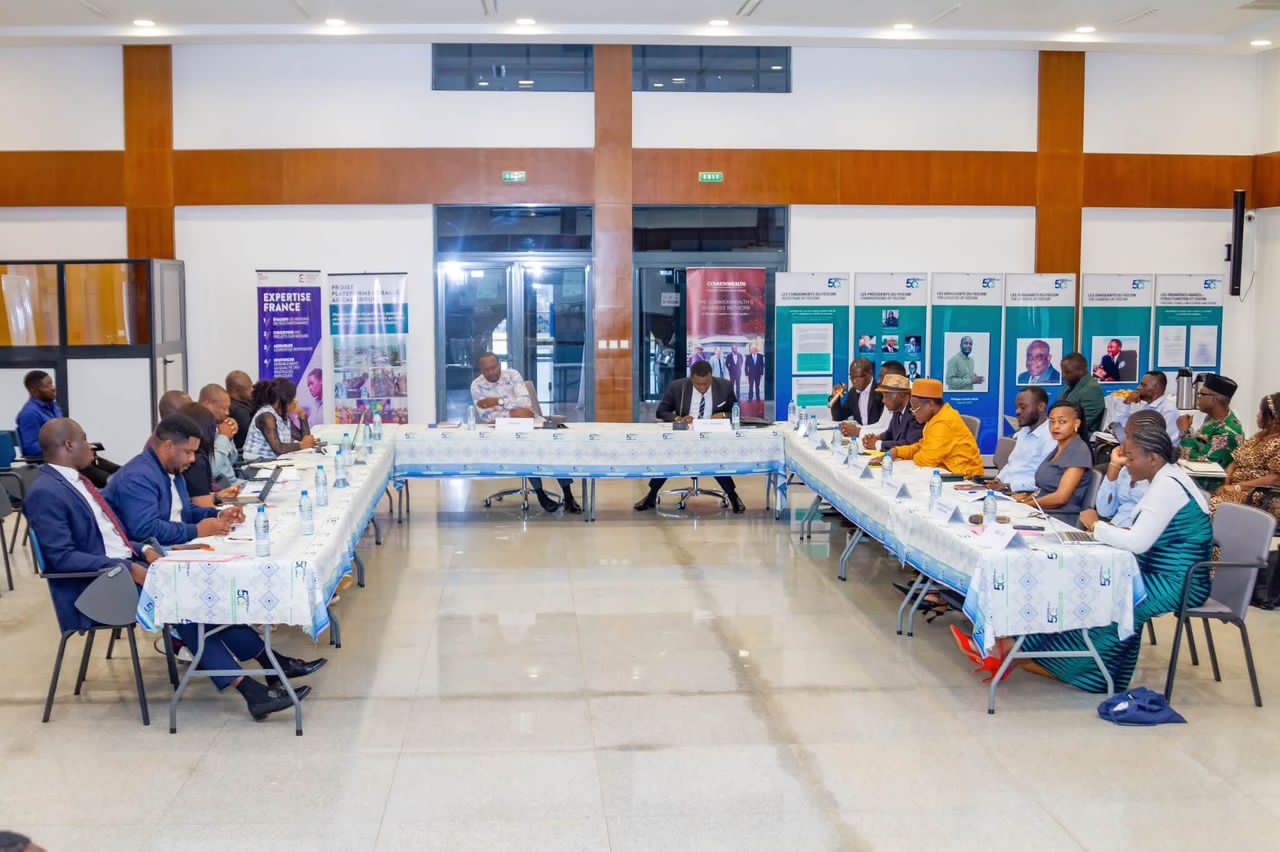
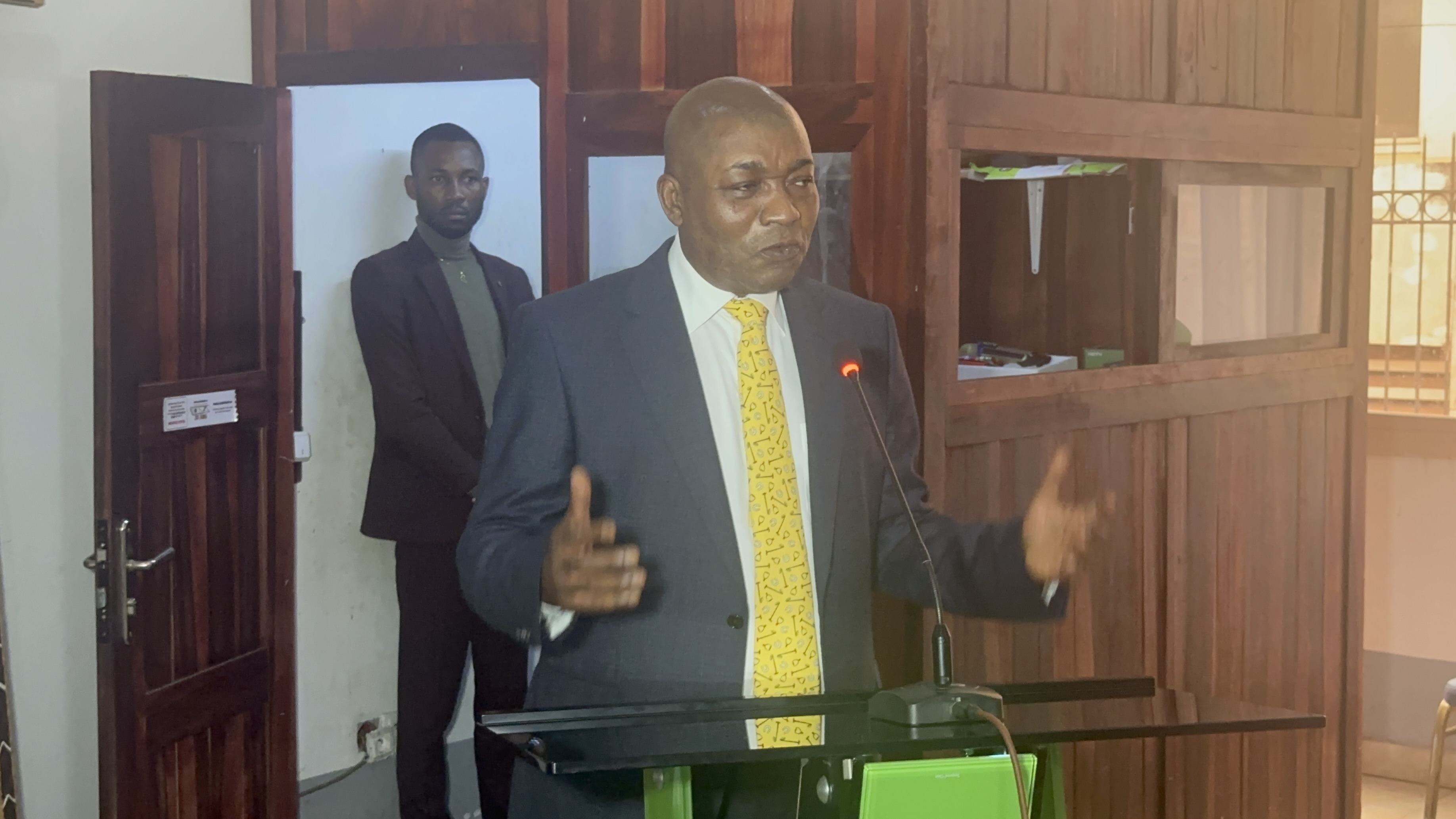
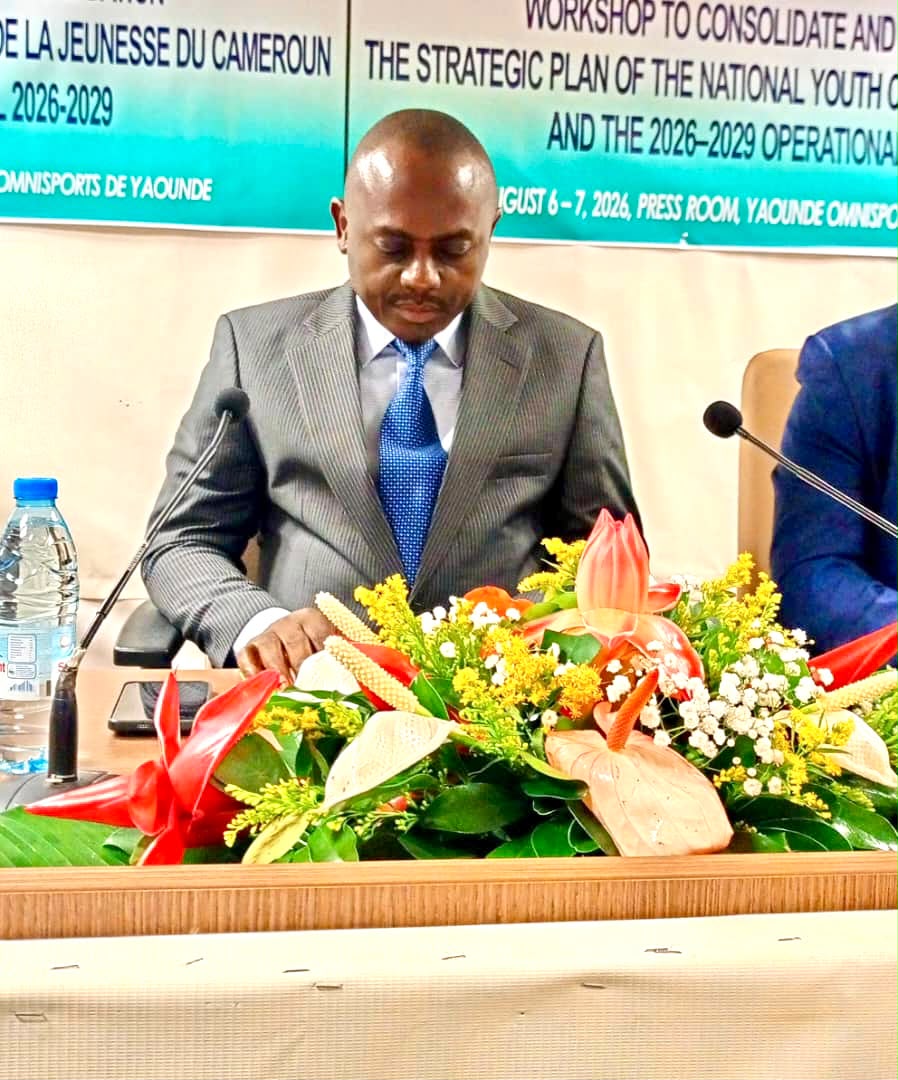
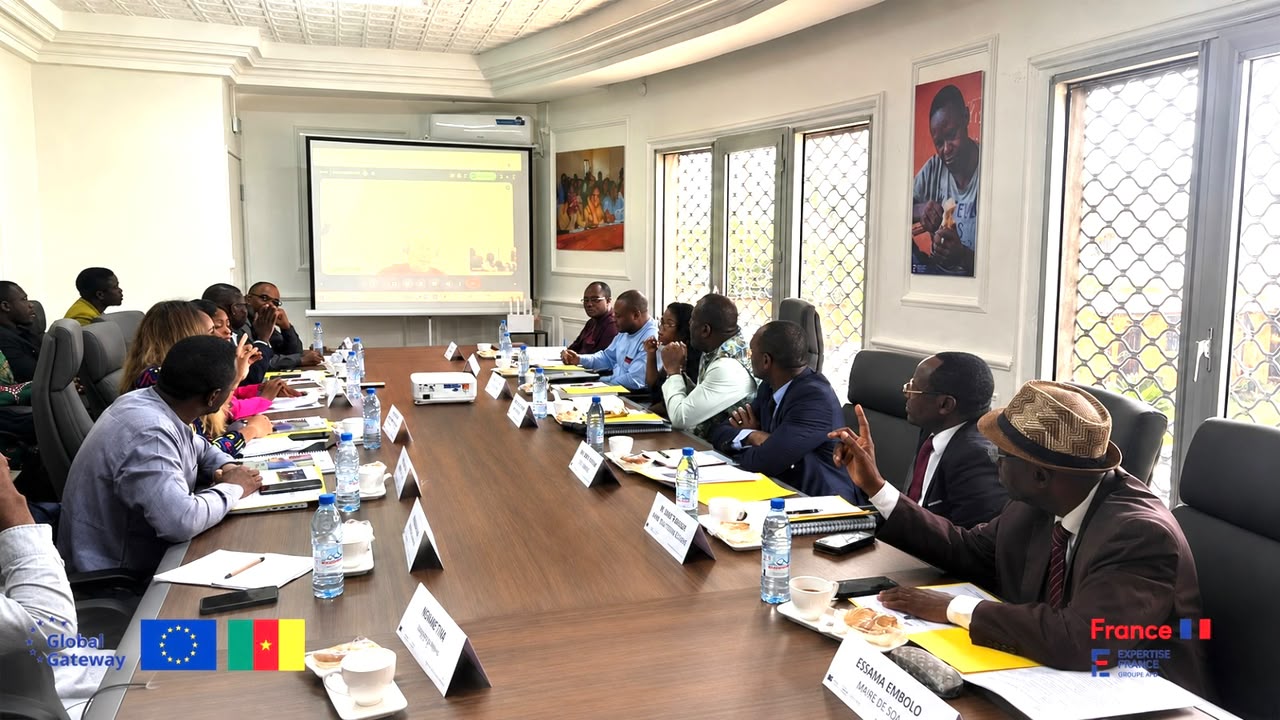
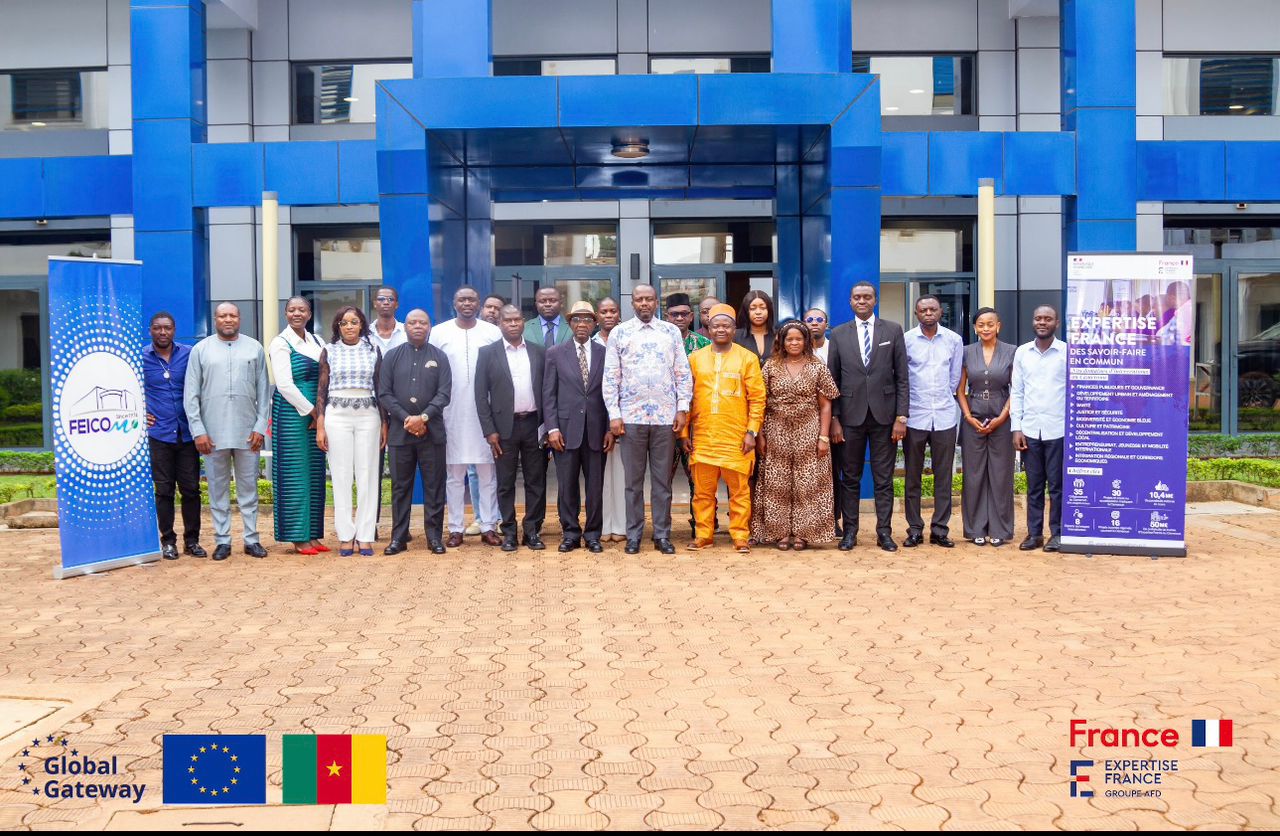
This question set the tone for the third session of the multi-stakeholder Follow-up Committee for the development of the Smart City application, held at the headquarters of the Special Council Support Fund for Mutual Assistance (FEICOM) in Mimboman, Yaoundé.
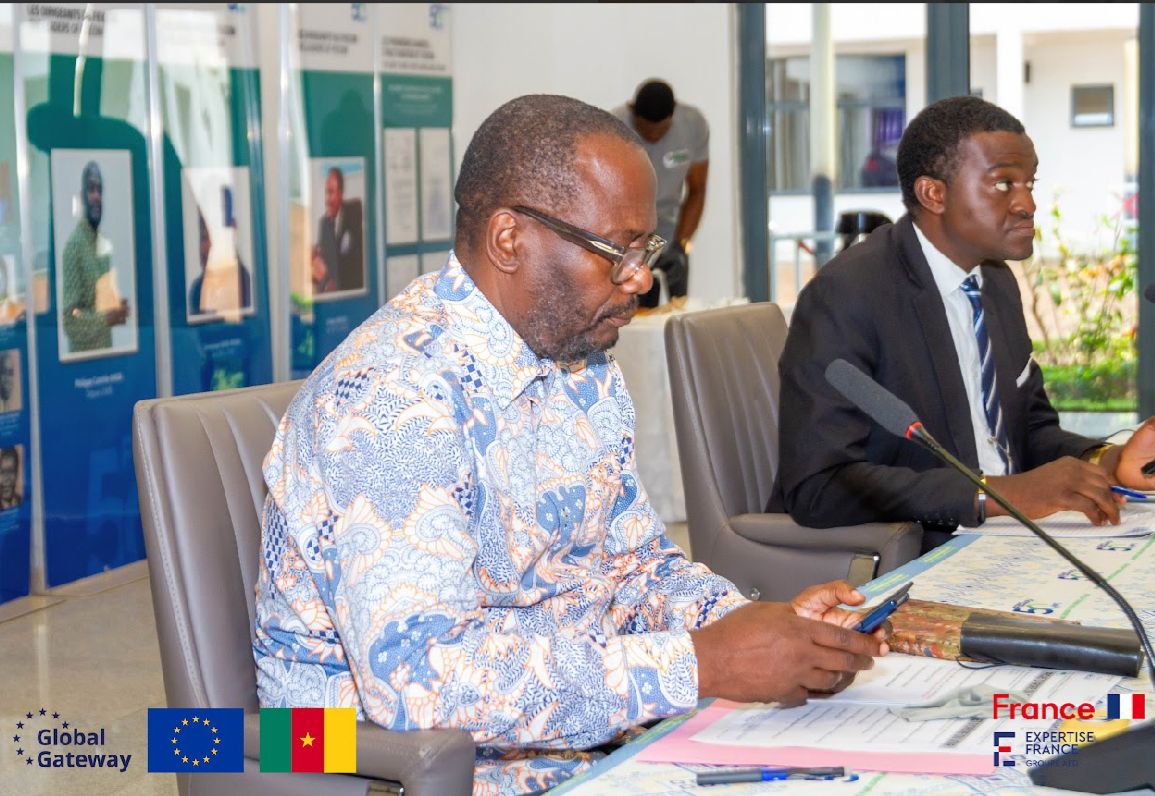
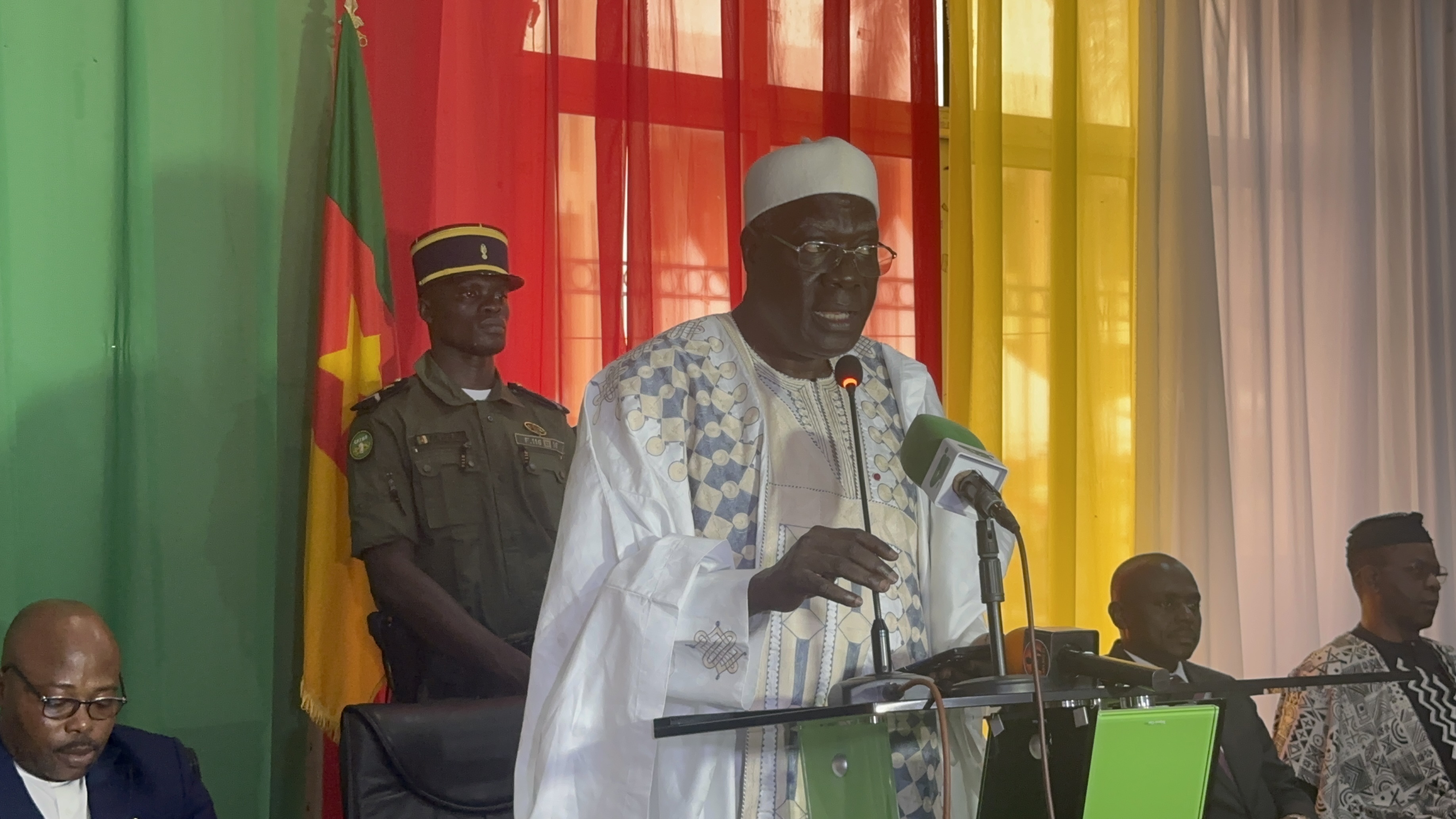
Chaired by the Director General of FEICOM, the session brought together key stakeholders involved in the development and testing of the application, including the Mayors and representatives of the pilot municipalities of Soa and Dschang, the Ministry of Housing and Urban Development (MINHDU), and technical and institutional partners.
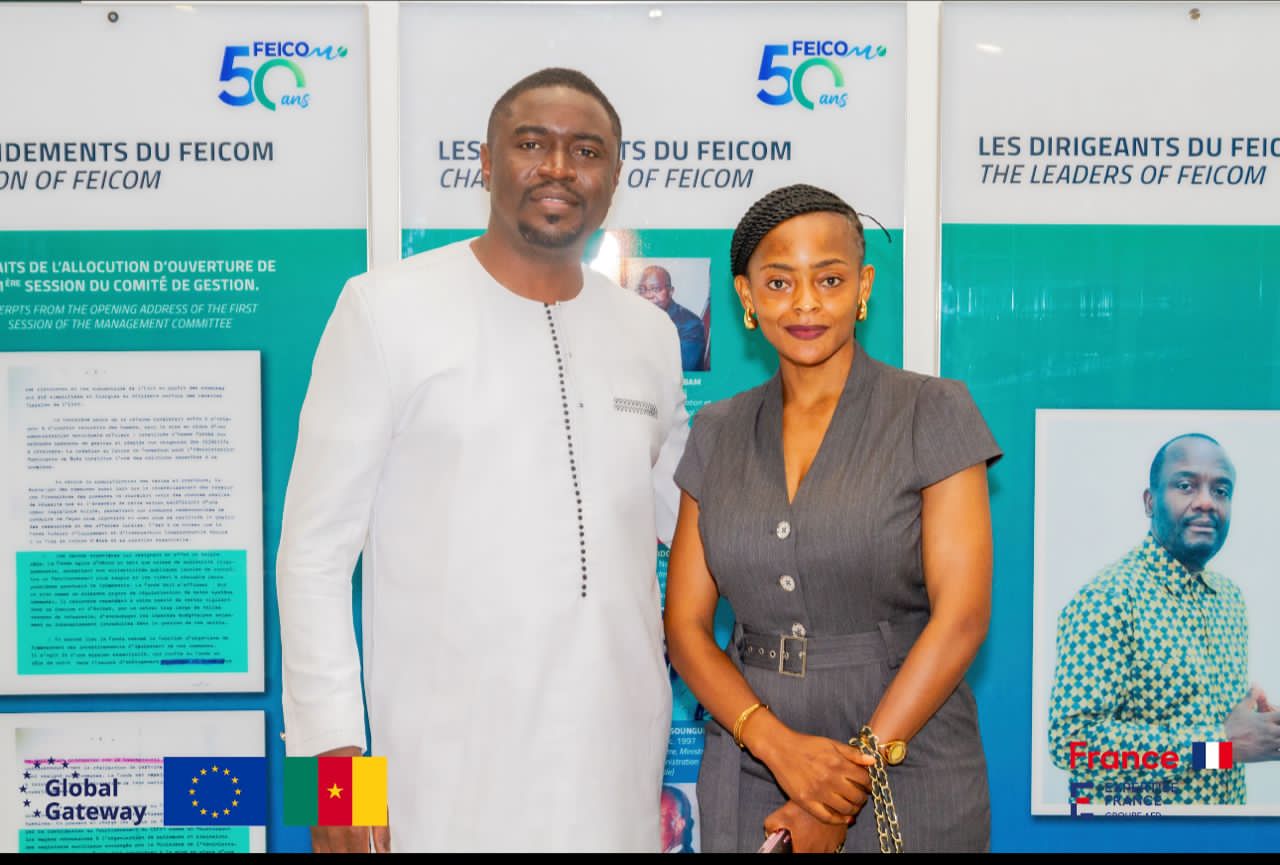
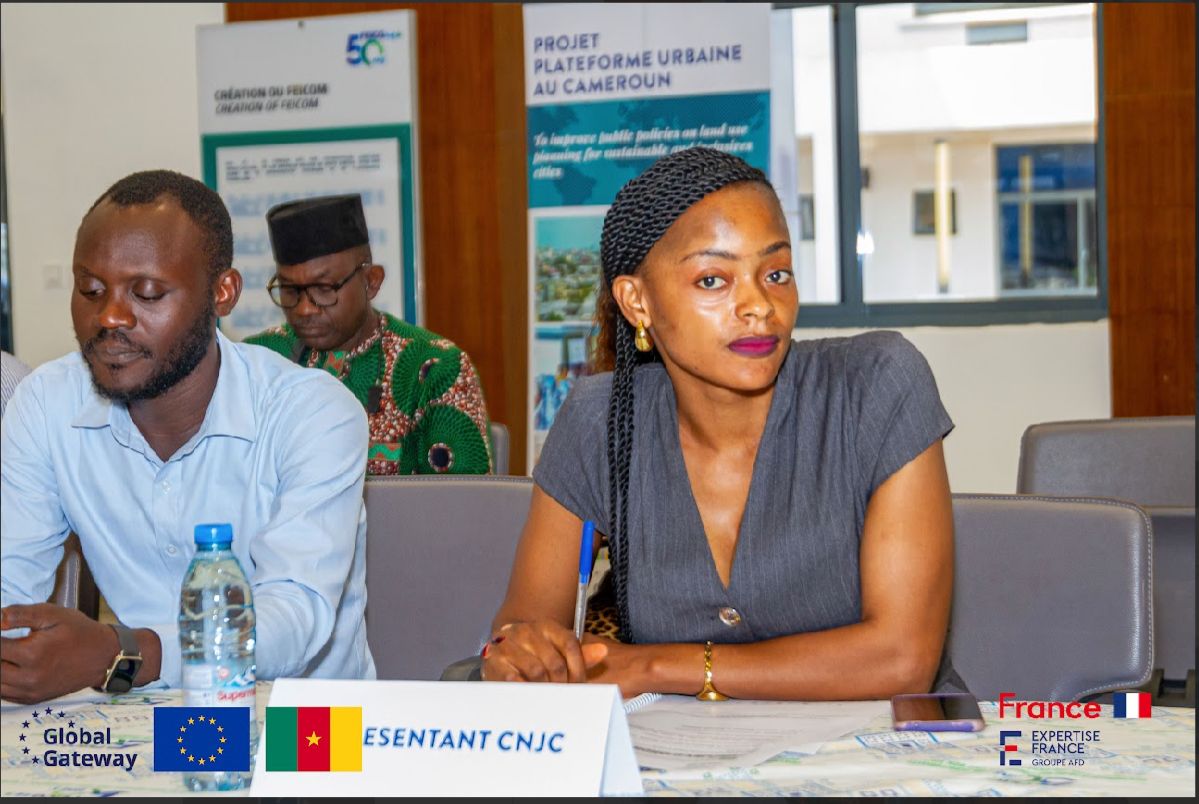
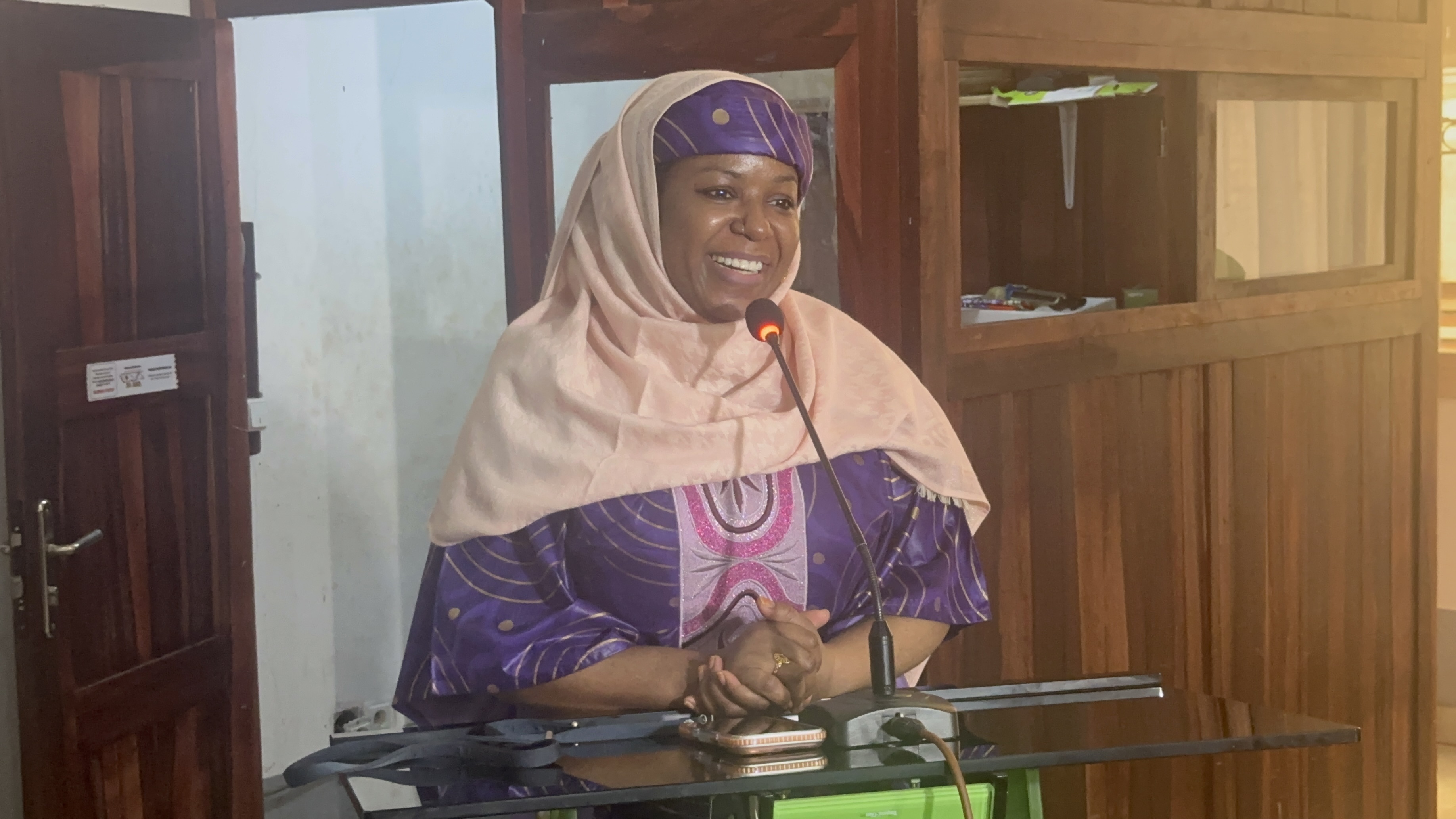
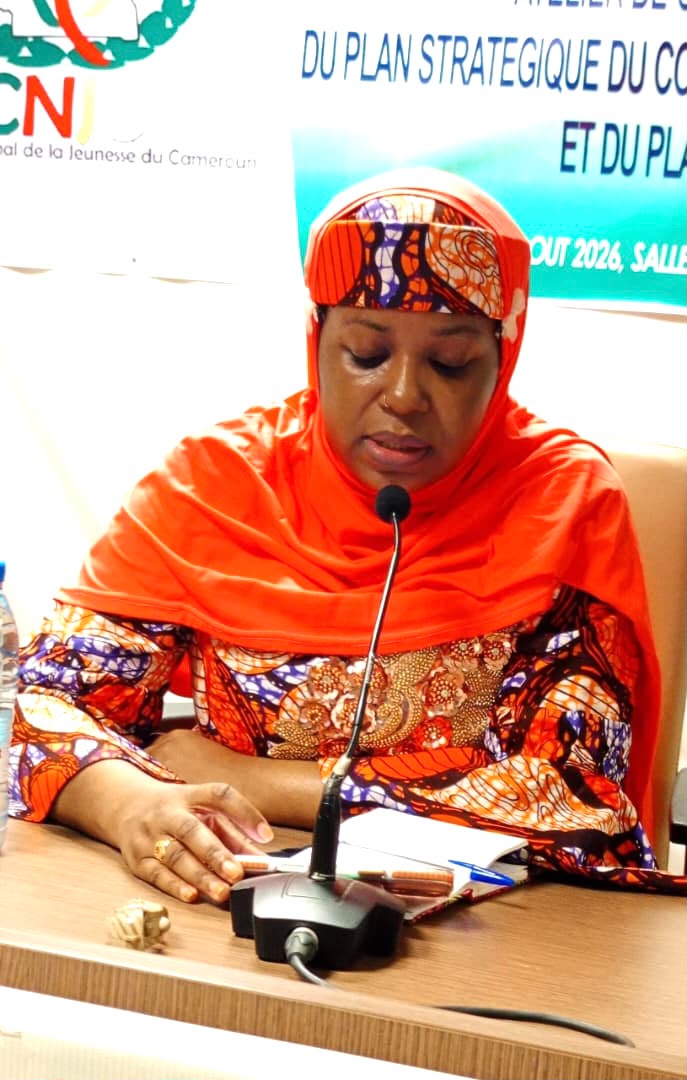
The Cameroon National Youth Council (CNYC) was represented by NDOH Ida Pih, bringing the youth perspective into discussions on digital transformation, citizen participation, sustainable urban development and the future of local governance.
The Smart City application is being developed under the Urban Platform in Cameroon (PUC), with the support of the European Union and implementation by Expertise France, with FEICOM playing a key institutional role.
From Testing to Practical Solutions
The session reviewed progress in the development and testing of the application, assessed the implementation of recommendations from previous sessions and examined the remaining activities and corrective measures required to advance the project.
The first module, dedicated to waste management, has been completed and tested in Soa and Dschang.
The pilot phase is particularly important because the application is designed to evolve through real-life use. Experiences from Dschang and Soa can therefore inform further improvements while allowing each municipality to adapt the tool to its own territorial and administrative realities.
Mapping Technology to Municipal Responsibilities
A major technical issue discussed was territorial mapping and the allocation of responsibilities at neighbourhood level.
For citizen reports to generate an effective response, the system must be able to identify where an issue occurs and direct it to the appropriate operator or municipal service. This requires clearly defined neighbourhoods, zones and areas of responsibility.
The resulting workflow can be simple but powerful:
Citizen report → Geographic identification → Responsible service/operator → Intervention → Monitoring
Beyond individual reports, the data generated can help municipalities identify recurring problem areas, monitor response rates and better allocate resources.
From Citizens Reporting to Citizens Participating
The Smart City application is ultimately about more than technology. It seeks to create a structured channel through which citizens can communicate concerns, report problems such as illegal dumping and contribute information that can improve municipal services.
But for this to work, technology must be accompanied by citizen sensitisation, capable local actors and responsive municipal services.
Neighbourhood committees, pre-collection operators, municipal services and other community actors will therefore have an important role to play in ensuring that information received through the platform translates into action.
This also opens new spaces for young people to contribute as digital ambassadors, community mobilisers and active participants in local governance.
Beyond Waste Management
Although waste management is the first completed module, discussions also highlighted the potential for the platform to become a broader municipal communication and citizen-engagement tool.
In the future, it could facilitate the dissemination of municipal information, announcements, local events and awareness messages while providing citizens with channels for feedback, suggestions and reporting.
The vision is therefore a two-way relationship:
Municipalities inform citizens.
Citizens inform municipalities.
Building the City of Tomorrow, Today
The third Follow-up Committee session reaffirmed that Smart City is not a fixed technological product. Its development will continue to be shaped by field experience, user feedback and lessons from the pilot municipalities.
For the CNYC, participation in this process is an opportunity to ensure that young people are part of conversations shaping the digital, environmental and governance systems of the cities they will inherit.
With the engagement of FEICOM, MINHDU, Soa and Dschang, the Cameroon National Youth Council and other stakeholders, and the support of the European Union, Expertise France and the Urban Platform in Cameroon, the initiative reflects a growing commitment to making technology work for people.
The city of tomorrow is being built today, and it starts by listening better to its citizens.
Partners: European Union | Expertise France | FEICOM | MINHDU | Urban Platform in Cameroon (PUC) | Municipalities of Soa and Dschang | Cameroon National Youth Council
For more information, join our WhatsApp channel: https://whatsapp.com/channel/0029VaDsCD7A2pL4KYws8i2q
Gallery